
It goes without saying that role-playing games are dense. Rather than simply go from Point A to B, you slowly build a character from the ground up, fine-tuning his/her stats, skills, and equipment to tackle the challenge ahead. Japanese variants (nicknamed “JRPGs”) can extend further. Here, the player must not only grow an in-game avatar, but often a whole party of allies. This process adds countless hours to a genre already known for slow burns. Even by that standard, though, some titles stretch the formula beyond belief.
Certain JRPGs can keep fans occupied for months. That prospect sounds like an exaggeration, but just wait. These developers seem to challenge themselves with how much content they can cram into their games. Granted, most of this content is optional. In the right hands, however, it can be just as engaging as the main package. Players may start these titles for a quick bit of escapism, but they soon find themselves playing every single day. Suffice it to say, they get their money’s worth.
5
Like a Dragon: Infinite Wealth
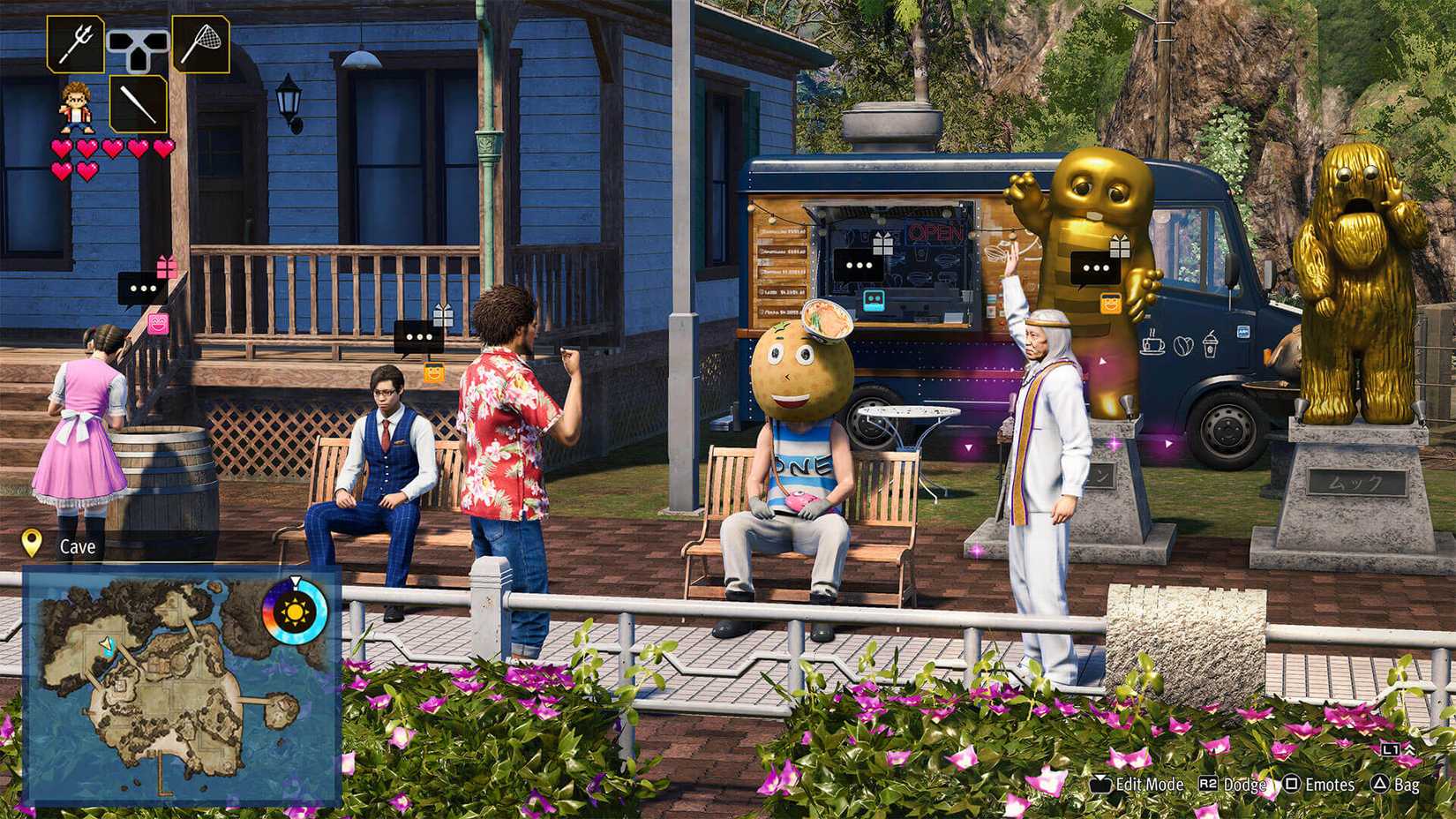
Photo: Ryu Ga Gotoku Studio/Sega
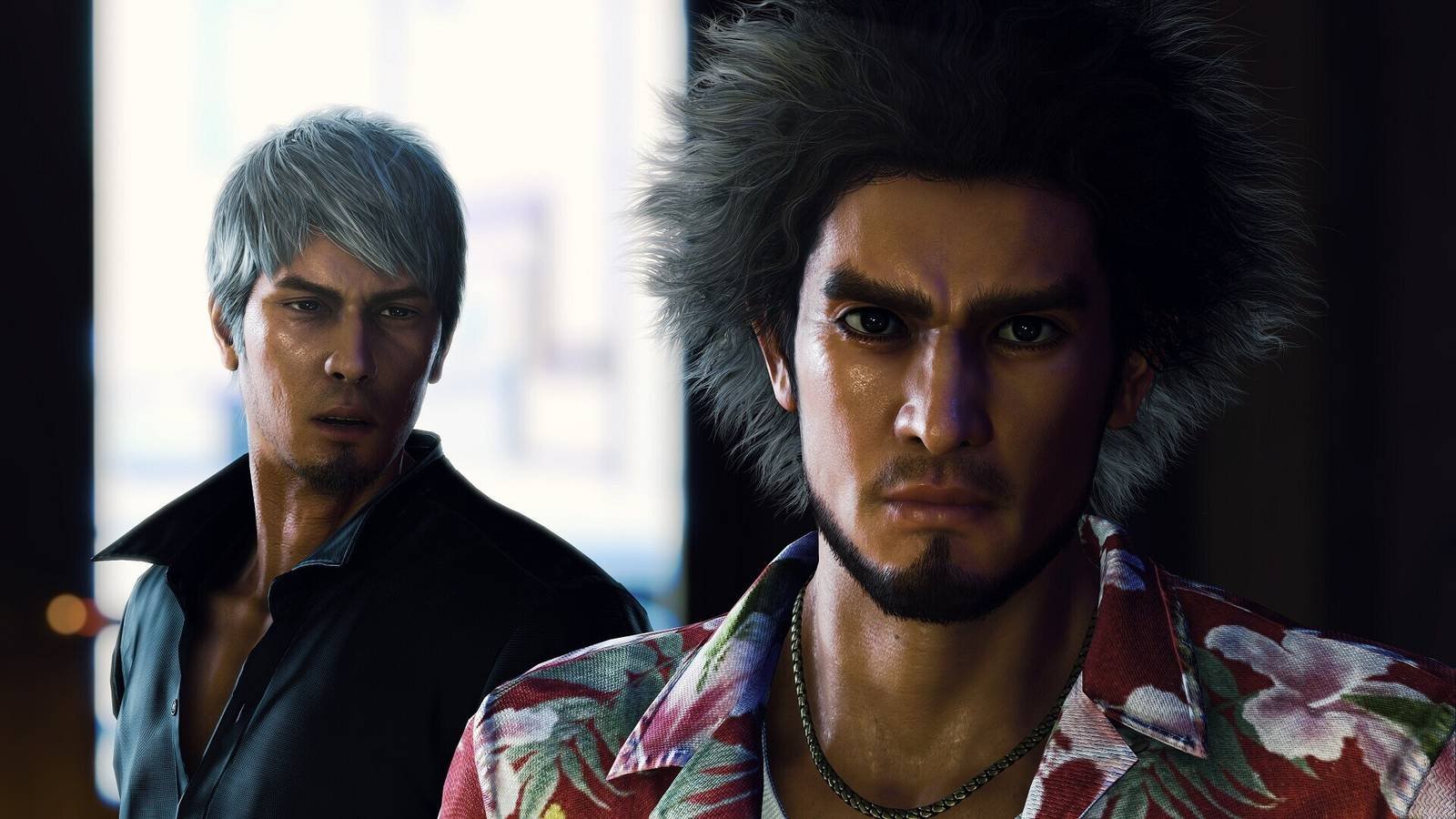
The Yakuza games are famous for their endless distractions, and Like a Dragon: Infinite Wealth (2024) takes that philosophy to a new level. This turn-based title gives fans three cities to roam: Tokyo, Yokohama, and Honolulu. These hubs have all the pastimes that fans expect from the franchise. Players can eat at restaurants, throw darts, try their hand at pool, go a few rounds in golf or baseball, and relive past Sega titles at the local arcades. Doing this stuff with party members can increase their bonds, unlocking loyalty quests and making them more effective in battle. Of course, these familiar facets are only the tip of the iceberg.
Infinite Wealth adds several fresh features to the formula. Each character has new jobs to experiment with, letting them learn wacky attacks to use on unscrupulous street thugs. They can then recruit these low-level crooks in a Pokémon-style minigame. By building a team of these “Sujimon,” fans can battle rival squads across Hawaii and even compete in gym battles. Those who get tired of that can always take a trip to Dondoko Island. Protagonist Ishiban Kasuga receives this trash-covered isle early in the game, leading to an Animal Crossing side hustle. Catching bugs, clearing garbage, and placing buildings lets him slowly turn the bankrupt plot into a five-star resort. This Yakuza title is the tropical vacation that never ends.
4
Persona 5 Royal
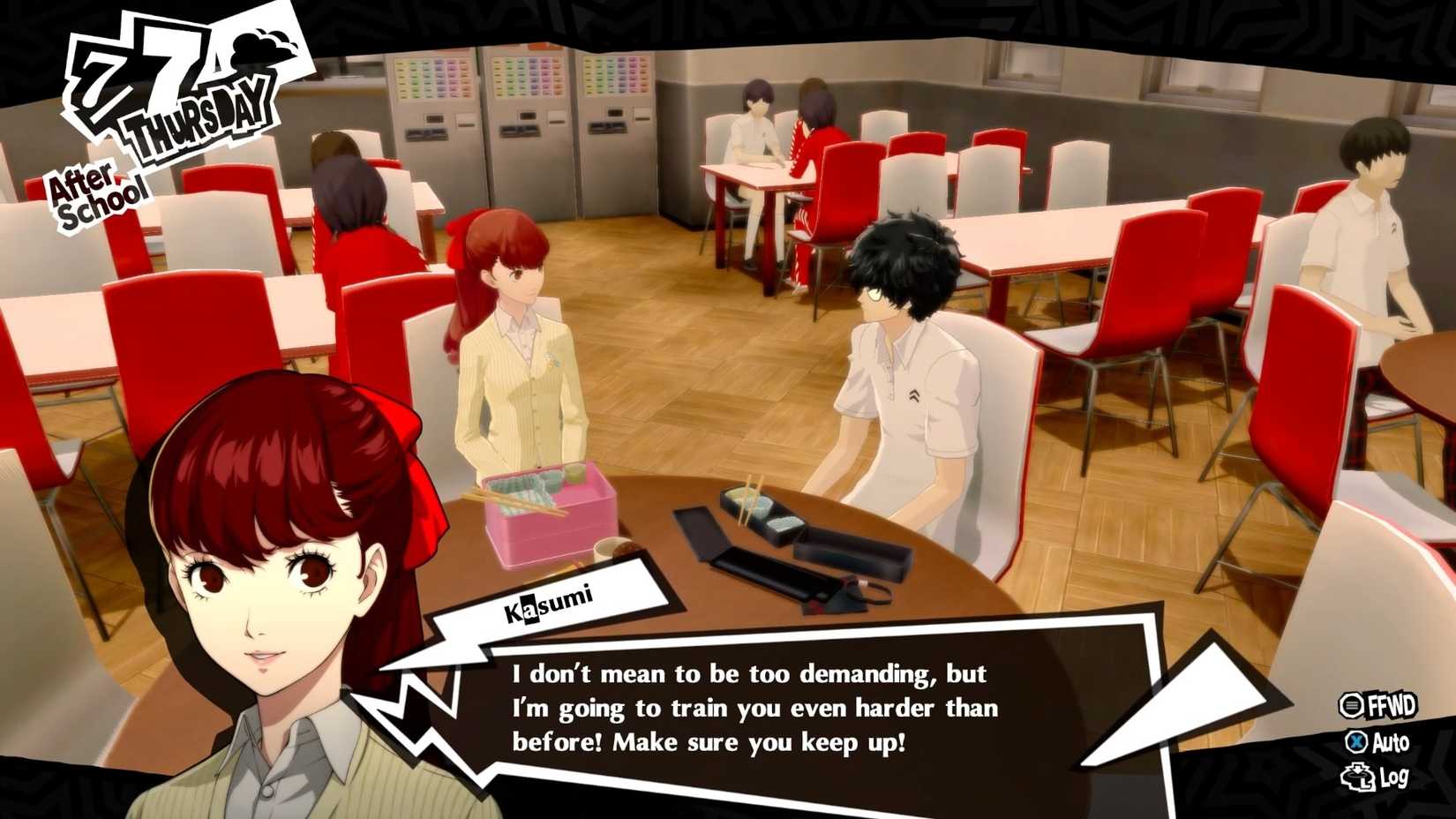
Image: Atlus/Sega
How fitting that the list includes a game where literal months go by. Persona 5 (2016) follows the franchise’s formula in its structure, unfolding over a whole school year. As players control new student Joker, they search a stylized Tokyo for activities to fill their days. Options include attending classes, working part-time jobs, reading books, riding trains, and other pastimes. Not only do these events affect Joker’s stats, but they let him forge stronger social links with his fellow students. These bonds, in turn, unlock more options for the turn-based combat. Each day lets Joker build his party up a little bit, resulting in a slow, addictive burn. Depending on the version, though, he might have more room to grow.
Persona 5 Royal, an enhanced re-release, expands the gameplay loop exponentially. It includes a new section of the city, additional activities, a longer campaign, unseen dungeons, a deeper social system, and a fresh party member to try it on. Players might think all these bells and whistles are too much for a single school year. Thankfully, Royal covers that problem by adding another semester. More than ever before, Persona becomes the ultimate otaku life sim.
3
Final Fantasy 7 Rebirth
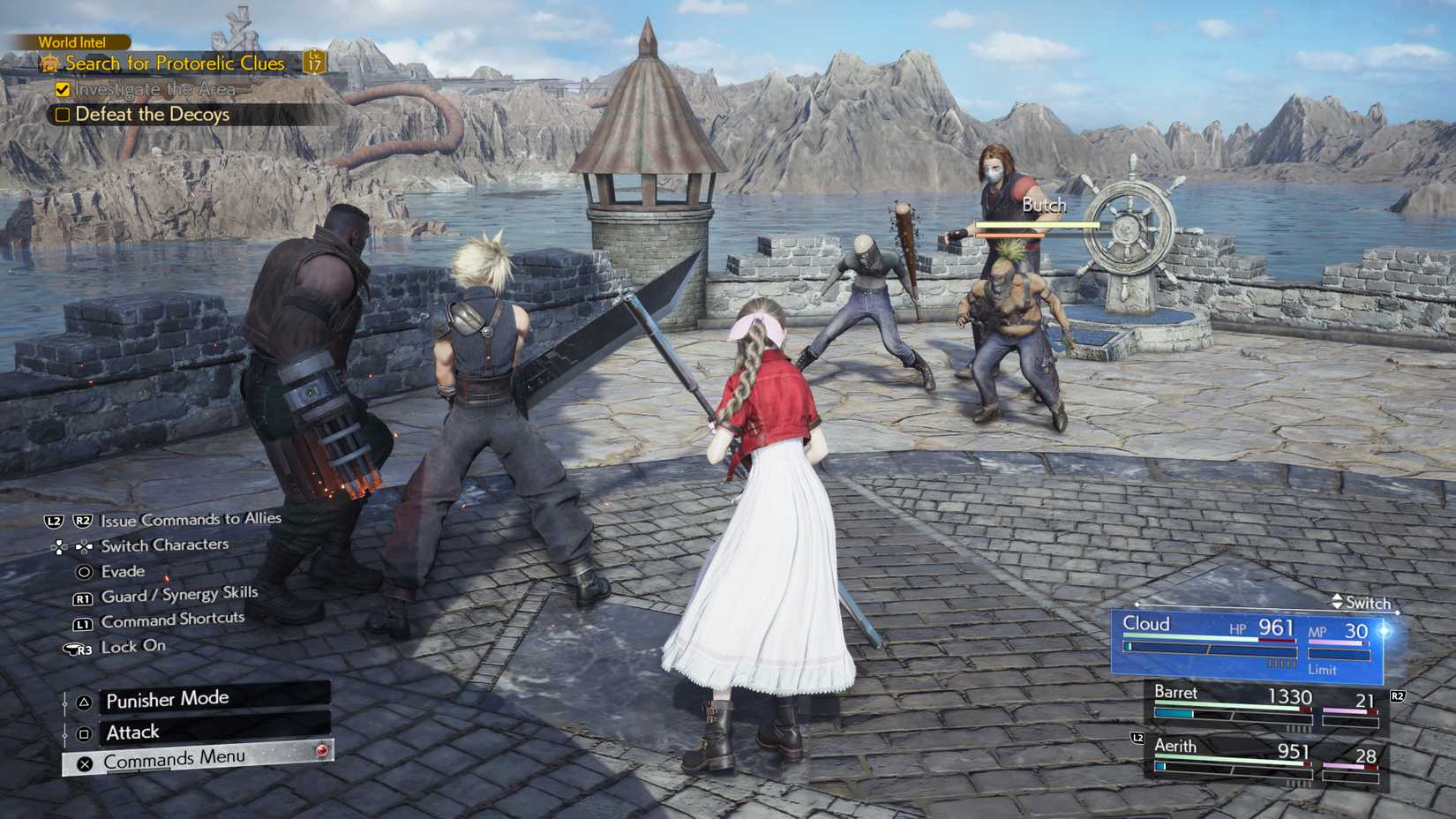
Image: Square Enix
Turning Final Fantasy 7 into a trilogy is ambitious, but the folks at Square Enix rise to the occasion. The second entry, Final Fantasy 7 Rebirth (2024), retains much of what its predecessor established. Fans follow mercenary Cloud Strife and his ragtag rebels as they roam a dense zone of monsters to slay and soldiers to fight. Between the cinematic story missions, they can take on quirky side quests from impoverished citizens, who reward the party with rare weapons, accessories, and materia. The difference is that Final Fantasy 7 Remake (2020) sticks to Midgar.
Rebirth ventures outside the steampunk city and into the wider world. Fans trek through the Kalm grasslands, the coastal Junon region, the mountains and deserts of Corel, the Gongaga jungle, the cliffs of Cosmo Canyon, and the eerie Nibel village. Each of these breathtaking zones houses hours of story beats and side quests, essentially multiplying the first entry’s scope. They also have numerous minigames, including Fort Condor, chocobo racing, and a card game called Queen’s Blood. Some of these pastimes lead to further adventures, such as Gilgamesh’s hidden island. Compared to the Remake trilogy’s sheer breadth, the original FF7 seems downright puny.
2
Star Ocean: The Second Story
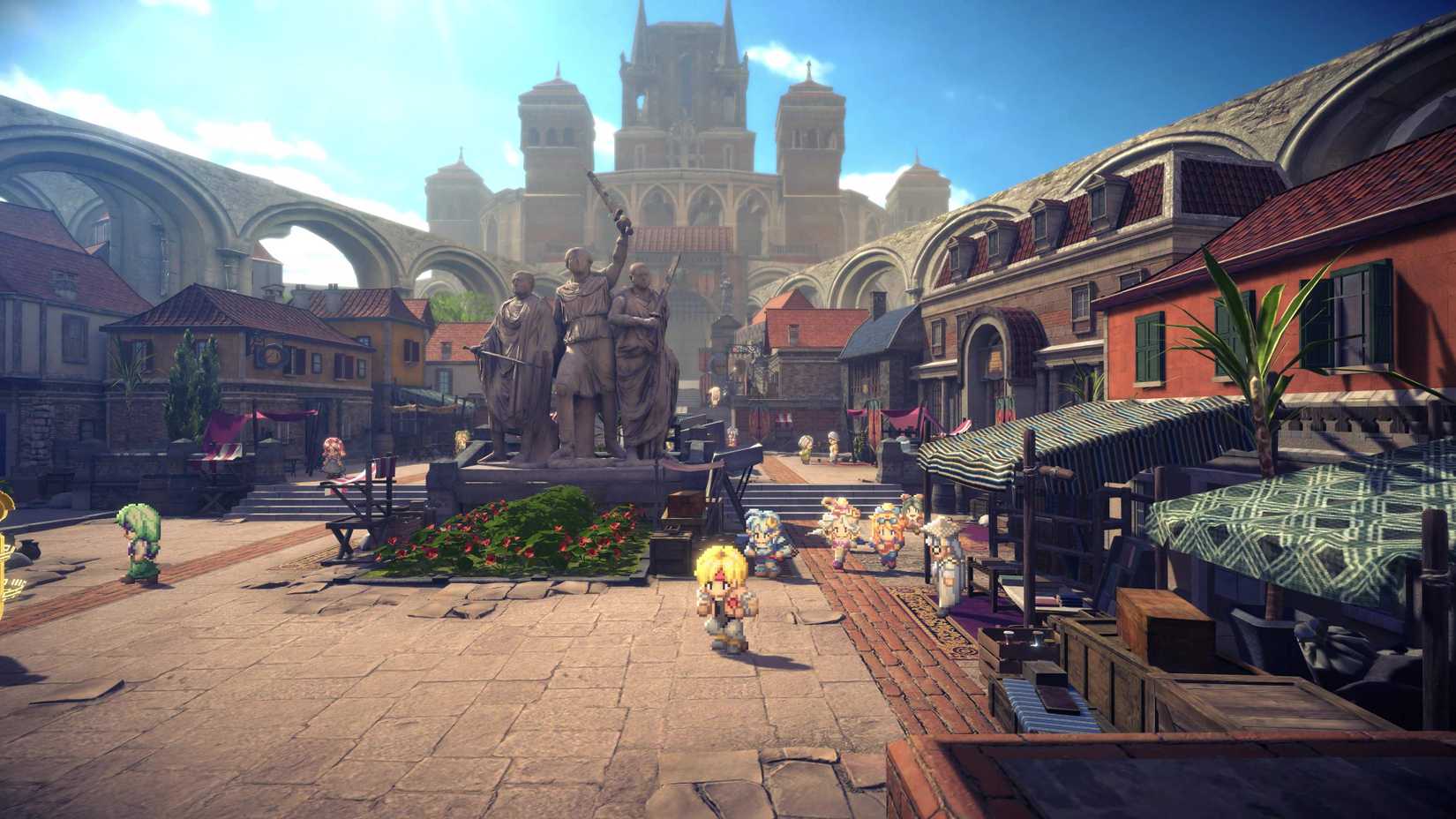
Image: tri-Ace/Square Enix
Like the rest of its spacefaring series, Star Ocean: The Second Story (1999) looks like a standard action RPG at first glance. There’s nothing wrong with that. The sequel sees fans crash on an alien planet, where they must sally forth in search of a way home, all while unearthing an ancient mystery threatening the galaxy. As they gradually explore the overworld map, they recruit various exotic heroes to their uncanny party. They can then customize their skills and determine what these guys do during real-time battles. This gameplay loop is perfectly functional, but it’s nothing new to JRPG vets. The novelty lies in the bigger picture.
Star Ocean prides itself on replayability, none more so than The Second Story. This sequel has a whopping 13 party members. Players can only recruit eight of them, including the two mandatory characters at the start, meaning that it’s impossible to see everyone in a single playthrough. Plus, visiting towns paves the way for Private Actions: special dialogue sequences where the recruited heroes get to know each other. These scenes alter the narrative in subtle ways, changing where each character ends up once the tale is over. This bevy of options amounts to nearly 100 different endings. The journey is as wide as a star ocean.
1
Xenoblade Chronicles X
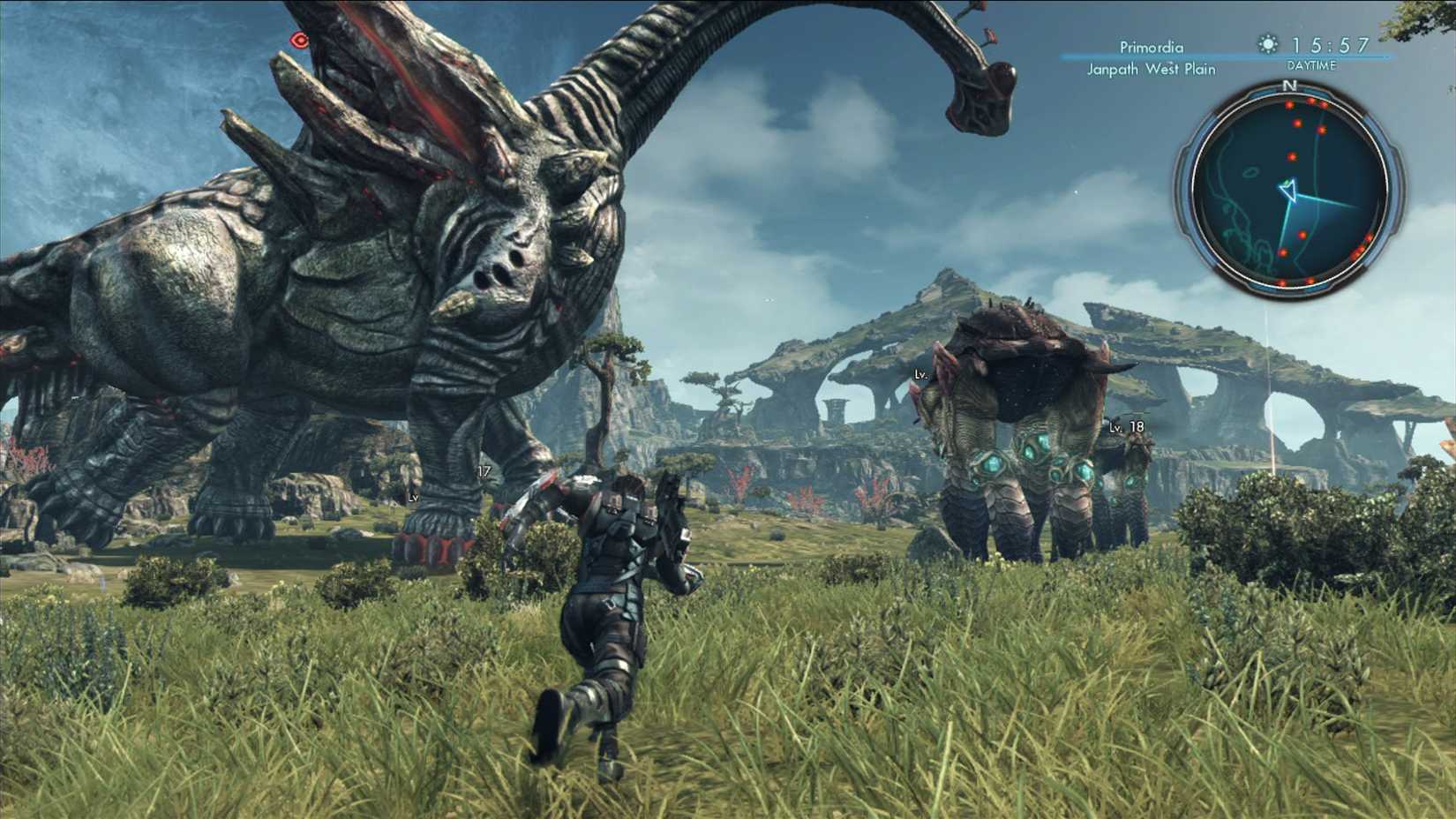
Image: Monolith Soft/Nintendo
Another sci-fi adventure entry, Xenoblade Chronicles X (2015) features a similar premise to Star Ocean. Players are stranded on an alien planet, where they must fight alongside colorful companions to survive the hostile environment and uncover the world’s ancient secrets. Instead of a miniaturized map, though, the game presents a massive open world of five continents. Littered throughout are loads of side quests and titanic creatures rivaling Shadow of the Colossus (2005).
POLL
Question 1 of 3
Simply traveling these land masses is a monumental journey, but the real meat lies in how it affects the characters.
As they explore the strange setting, fans unlock more ways to customize their experience. Each party member has a handful of classes. Strengthening these classes through quest completion yields new attacks, spells, and techniques. Scrounging for resources leads to yet more options, as the heroes can eventually put such materials toward Skells. These are Gundam-style mechs used to combat the untamed frontier, and players can determine their models, weapons, and stats through clever crafting. In essence, they become another tool in the arsenal. Few JRPGs so ably capture the patient payoff of trailblazing.


