
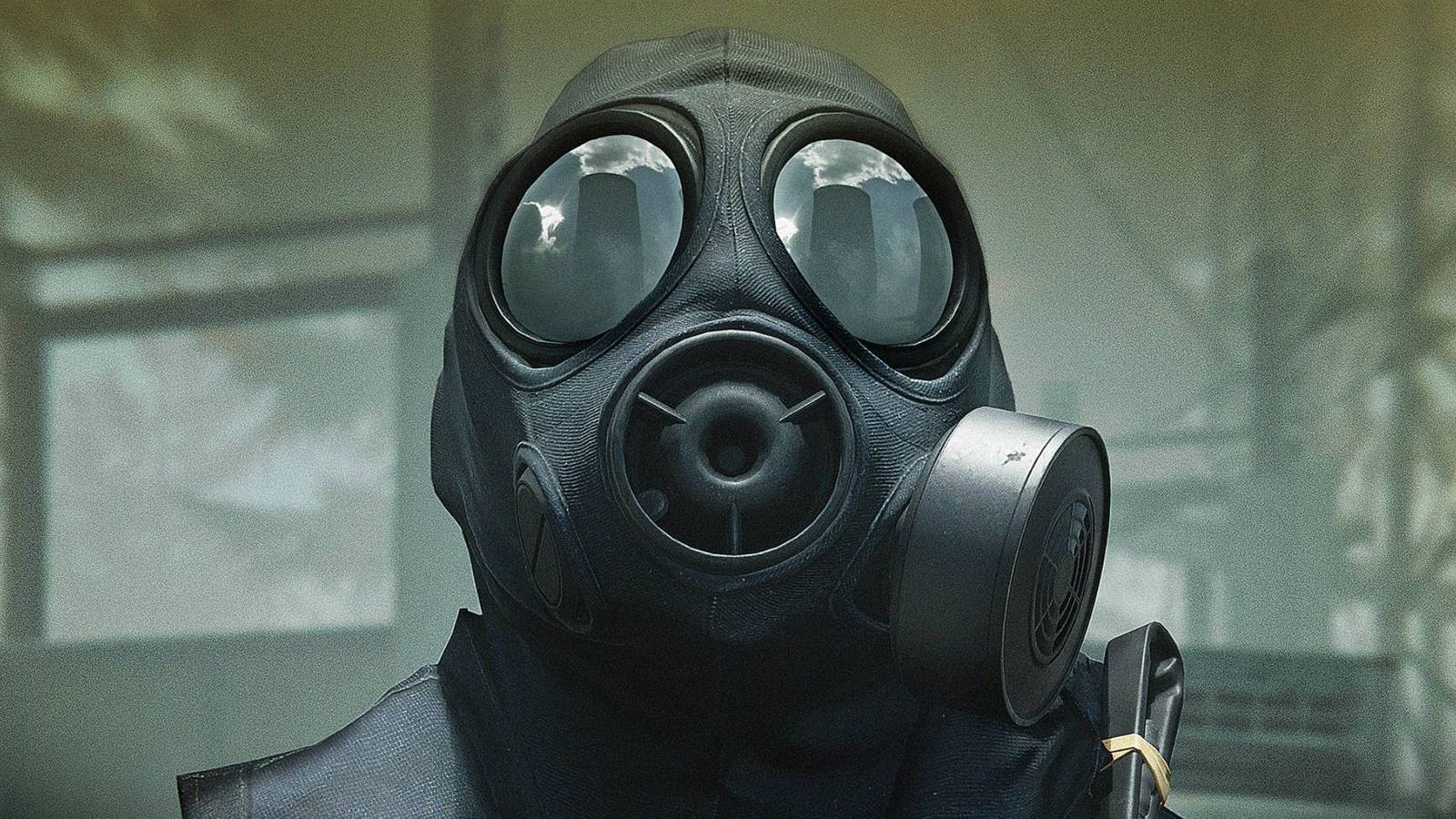
Four months ago, Infinity Ward first revealed Call of Duty: Modern Warfare 4‘s DMZ mode to the world. The trailer showed a slow-paced, gritty first-person shooter; we saw a trio wearing night-vision goggles enter an abandoned shopping mall, checking every corner as they executed their mission. It looked like Call of Duty was finally stepping outside its comfort zone and offering a mode that would rival Escape from Tarkov. You can watch that trailer below:
After spending the best part of a week with DMZ, it’s clear that while there are faint notes of this immersive, ruthless mode, for the most part, it has been designed to appeal to Call of Duty’s more casual audience. It’s no surprise; the top comments on the trailer all predicted that the series’ trademark movement system, with mechanics like sliding and bunny-hopping, would prevent this slower, methodical showcase from ever coming to fruition. Unfortunately, those skeptics were bang on the money.
Modern Warfare 4’s DMZ mode is an extraction shooter. You’ll deploy into Hajin, a fictional region that spans the border between North and South Korea (alongside a small section of Russia coming at the start of season 1), with a weapon, armor, backpack, and a few consumables. Your goal is to fill your inventory with as much valuable loot as you can, then get the heck outta there safely. The DMZ beta, featured back in 2021’s Modern Warfare 2, introduced this concept to the series for the first time, but it was half-baked. While the mode is still technically in early access, it’s a much more complete product this time around, albeit with plenty of teething issues.
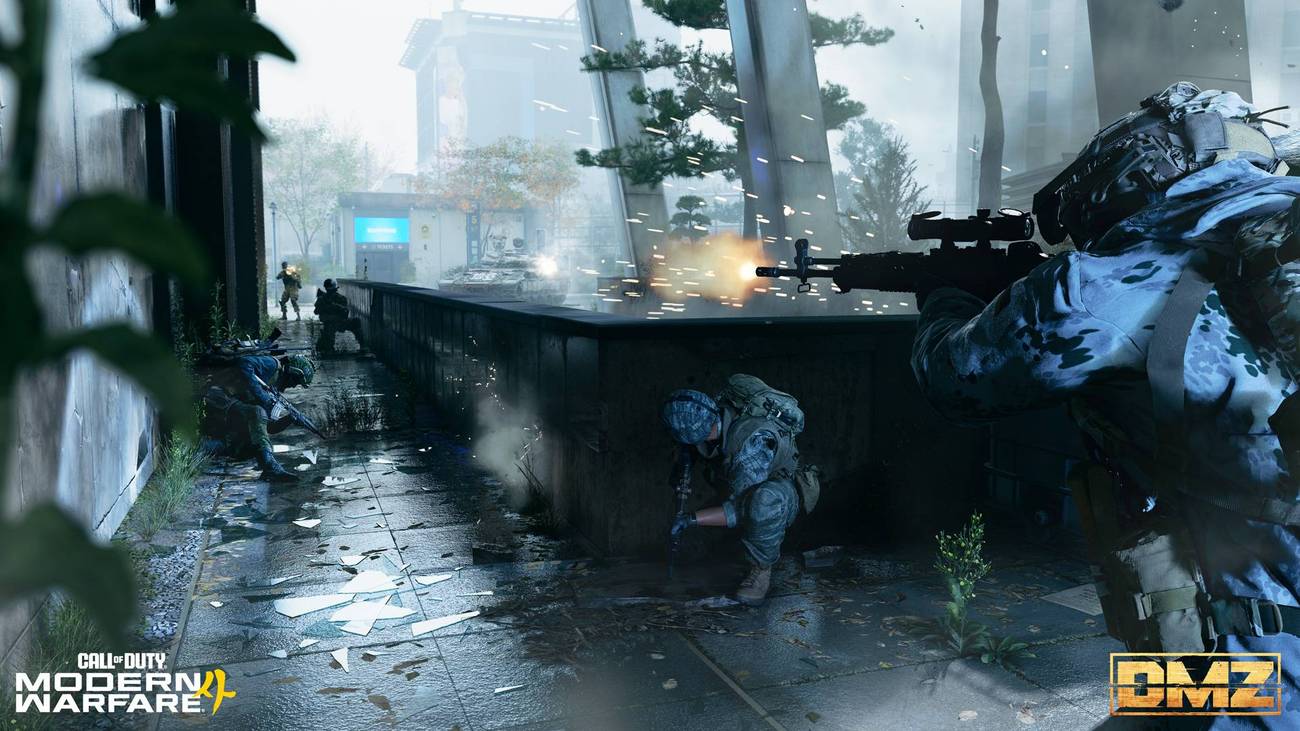
Image: Infinity Ward/Activision
Hajin is populated with North Korean soldiers around every corner. Some patrol the map in vehicles. Others loiter near minor buildings around the edges of the map in small groups. But most are found in the named places of interest, which have higher threat levels. That means more enemies to deal with, and considerably tougher ones to boot.
As a solo player, DMZ’s structure is considerably more flawed than Arc Raiders, which is by far my most-played extraction shooter and currently the most popular game in the genre. In Arc Raiders, the aggression-based matchmaking and players’ willingness to cooperate mean that even the game’s toughest foes, such as the Matriarch or the brand-new Frigate, are conquerable.
In DMZ, on the other hand? While taking down the Colossus or infiltrating the Haneul Nuclear Reactor alone isn’t completely out of the realm of possibility, it is a monumental task. The more enemies you kill, the more you’ll have searching for you, which means you’ll quickly become overwhelmed. Unless you’re in a trio, you pretty much need to have a suppressor equipped at all times. While most enemies aren’t too tough — foes will gradually have better weapons, armor, and riot shields — the challenge eventually becomes insurmountable due to the sheer numbers.
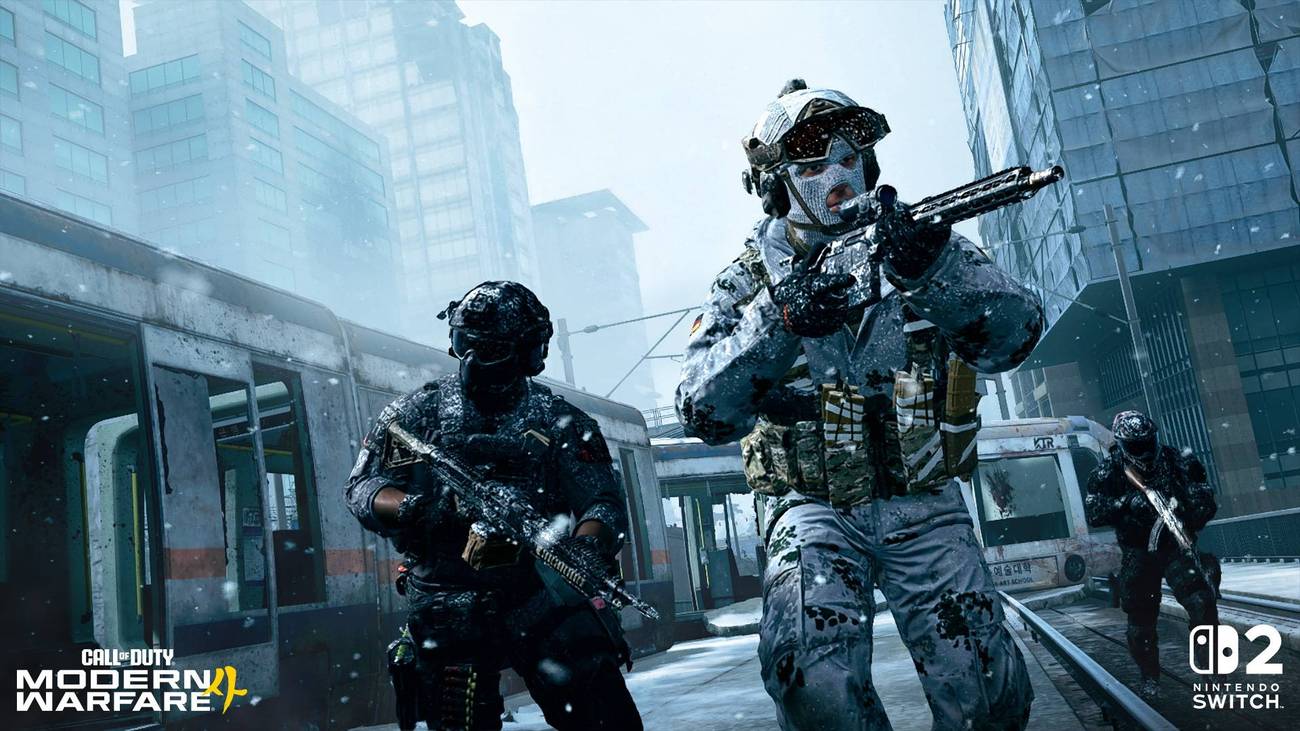
Image: Infinity Ward/Activision
There’s always the risk of encountering other players in Hajin too, which is where the modern Call of Duty DNA is at its strongest, and not for the better. PvP in DMZ is almost identical to fighting another player in Warzone. It’s fast-paced, the time-to-kill is too quick, and cowardly gameplay, such as loitering around exfil points to kill players as they try to extract, is commonplace. And there’s no hint of cooperation: despite my numerous attempts to ally up with other solo players over voice chat, every one has failed, resulting in a shootout.
The closest experience to DMZ’s initial reveal are the story missions, which is something this take on the extraction genre does better than all others. Typically, from Tarkov to Arc Raiders to Marathon and beyond, quests consist of going to a few locations, interacting with a prompt, then extracting safely. DMZ’s run deeper.
In my solo endeavor to extract an injured VIP from a hospital, I killed over 150 enemies in a constant firefight. I was using his hospital bed for cover, pushing it down the corridors, taking every opportunity to crouch and reload as bullets whistled overhead. I hadn’t learned the art of stealth yet, so I’d gone in guns blazing and quickly regretted it. By the time I’d wheeled the VIP to the roof and boarded the exfil helicopter myself, my head was spinning. It was the sweatiest I’d had to play in a long while.
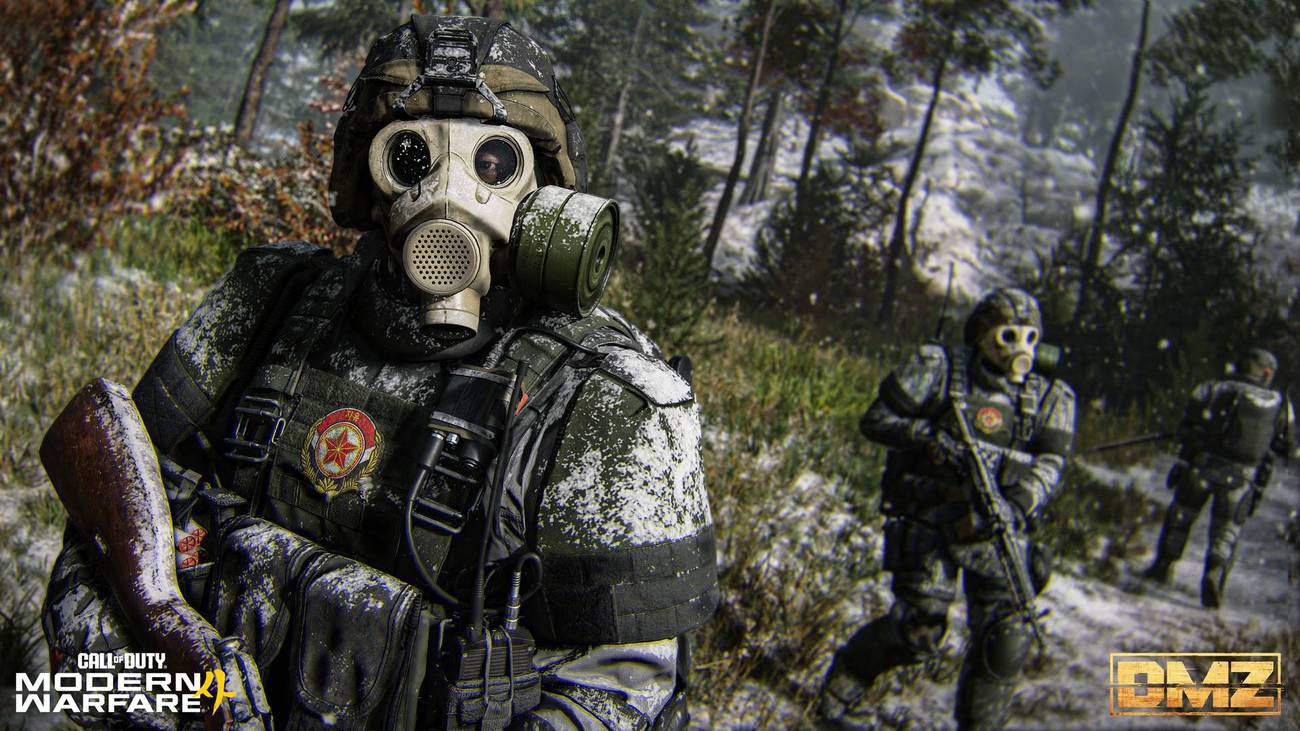
Image: Infinity Ward/Activision
There are two more “starter” missions; one requires infiltrating a casino and is nigh-on impossible to complete solo, so I used the game’s matchmaking to find two randoms. The other is set in the same location as the first trailer. It was certainly atmospheric, as I skulked my way toward various objectives involving hacking computers. But partway through, I needed to acquire four robot dog batteries to open a door. That meant I had no choice but to drop the stealth and unleash hell. From then on, once again, it was non-stop action, and combat encounters became far less meaningful.
Despite their intensity and difficulty, missions are the best way to earn cash, which is essential in DMZ. Much like every other extraction shooter on the market, there’s an economy at play here. You’ll use cash tobuy weapons and equipment from the vendor, kit out your weapons with attachments, and recover your operator when they’re killed in action.
The latter is the innovative part, because where other games provide permanent skill trees, in DMZ, your skills — known as traits — are tied to your operator. You can have three characters on the go at any one time, but when you die in Hajin, you lose the progress you’ve made towards unlocking traits. The more experienced your character, the higher the cost to recover them and preserve that progress.
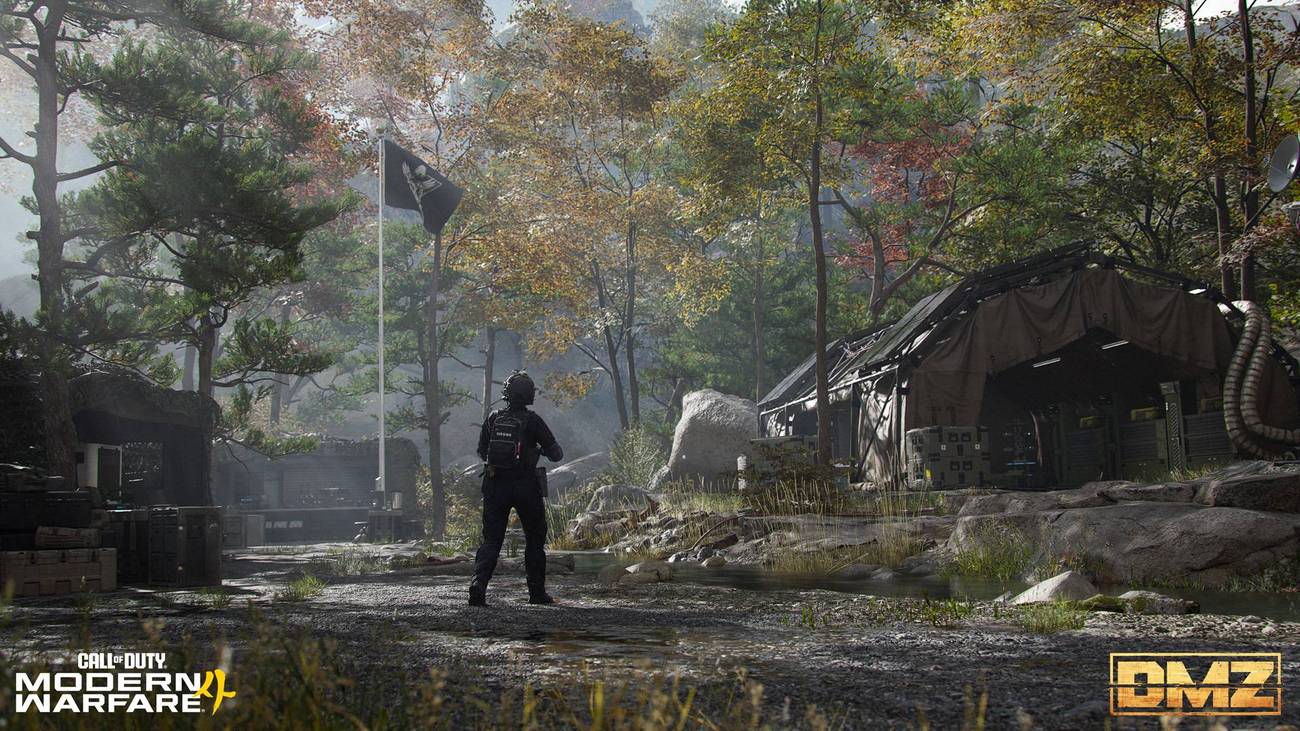
Image: Infinity Ward/Activision
This cost can skyrocket, however, which means when you have to invest most of your in-game cash in just saving a character or risk losing all the progress you’ve made, it’s a real kick in the teeth. It’s especially demotivating if that death came at the hands of another player who shot you in the back or killed you right as you were about to extract. Attachments are also extortionately priced when kitting out your guns, which is brutal when suppressors feel so essential.
On the one hand, since it’s still technically in early access, it’s tough to punish DMZ too much for this. Then again, this is an otherwise fully priced title, so what does that really mean? That early-access distinction feels very arbitrary. And there are also a hell of a lot of bugs. I’ve encountered enemies completely stationary, unreactive, and with no collision, before coming back to life a few minutes later. I’ve seen AI vehicles zigzag across the road completely unnaturally. And there are some serious balancing issues, such as the Possum trait, which allows players to come back to life after being killed.

Free sign-up
Get Polygon’s Wishlister newsletter
A weekly cheat sheet to what you’ll eventually love to play. No buying, no
commitment — just saving for later.
Free. Unsubscribe anytime.
Despite my complaints, I’m enjoying my time with DMZ. But I suspect that before long, I’m going to abandon ship. It would be an overreaction to brand the whole experience as “Warzone with PvE enemies.” There is more to it than that, such as the story missions, even if there are frustratingly few of them at the moment. But this isn’t the mode that Infinity Ward advertised before launch. Call of Duty had an opportunity here to take the crown in the extraction genre, but it has fallen short.


