
When getting into a video game series, the natural starting point is the first entry. This initial outing lets fans see how an iconic phenomenon begins. By observing a franchise at its roots, they learn where the characters originate and how the pivotal plot threads emerge. They also see the first stage of the tale’s beloved gameplay. Then again, some things are better left unseen.
For certain game series, players should skip the first entry. The simple reason is these inaugural titles are rough around the edges. They suffer from ugly presentation, unpolished writing, and clunky mechanics. Usually, these issues are the result of novice developers biting off more than they can chew. People might argue that these unrefined aspects let you better appreciate how these systems evolve in later titles. While true to an extent, that fact doesn’t make these debuts any less grating. To preserve these series’ memory, fans should probably read a synopsis or watch the cutscenes.
5
The Witcher
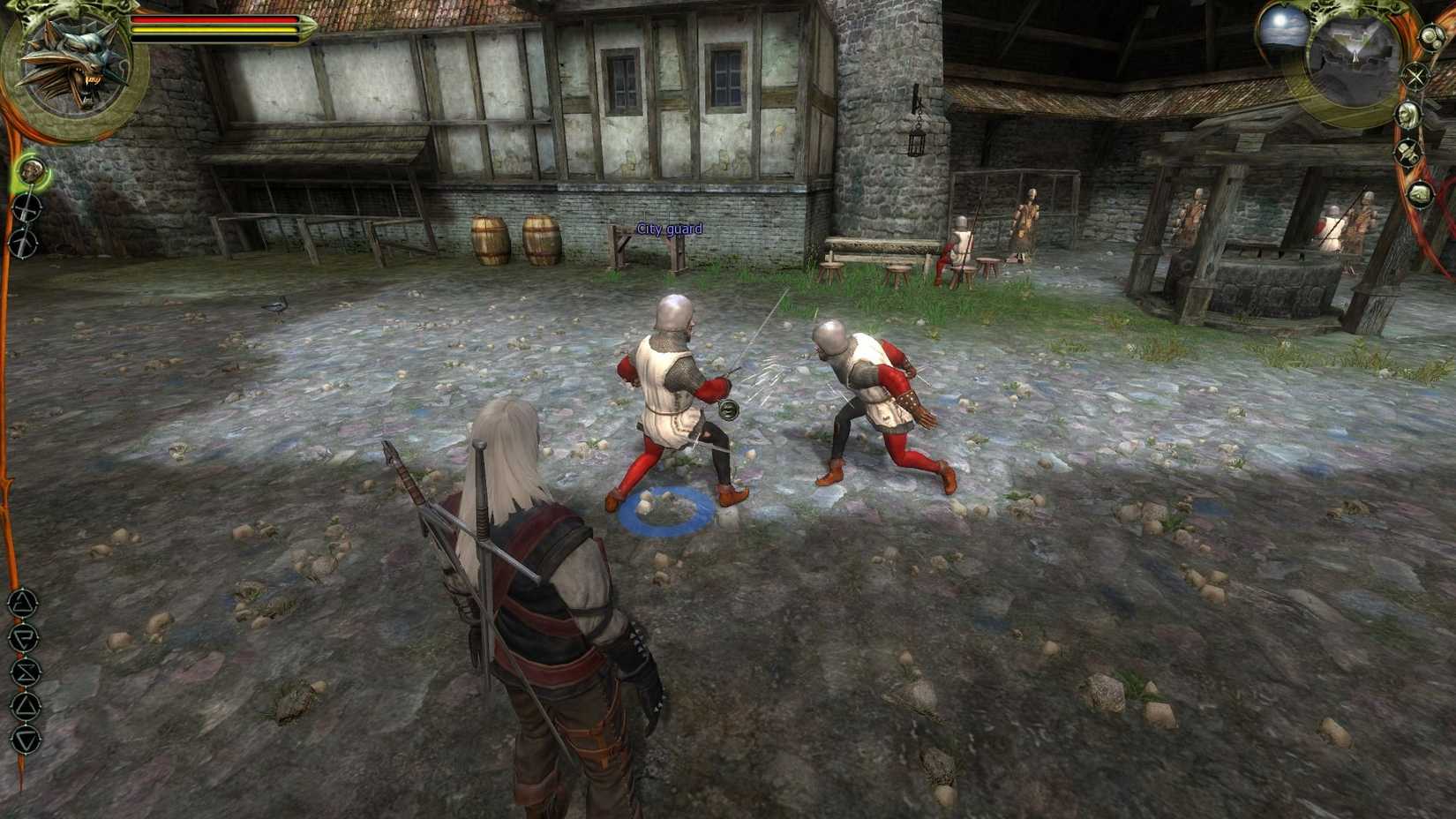
Image: CD Projekt Red
The titular monster slayer is supposed to be ugly, but not this ugly. Based on the Polish fantasy novels, the Witcher franchise revolves around a wandering warrior named Geralt. His caretakers inject him with mutagens at a young age, amplifying his strength, speed, and senses to superhuman levels. He puts these talents toward hunting the hellish creatures plaguing the countryside, albeit for a fee. While he tries to stay out of larger conflicts, the war-torn world seems intent on making him choose a side. If his gaming debut is any indication, maybe he should have trusted his better judgment.
2007’s The Witcher is CD Projekt Red’s first release, and it shows. The game traps players in a world of drab environments and grotesque character models. Geralt spends hours running back and forth across these zones, usually waiting for the right NPC to show up. The story could have justified that annoyance, but no.
The plot here is serviceable by itself and basic by series standards. Though relying on book events for much of its weight, the script has little of the political drama or social stakes that elevate the franchise. Granted, it does derive some intriguing gameplay ideas from the novels, but the execution is an awkward mix of an action game and a BioWare-style RPG. Like Geralt, fans would prefer not to choose between the two.
4
Assassin’s Creed
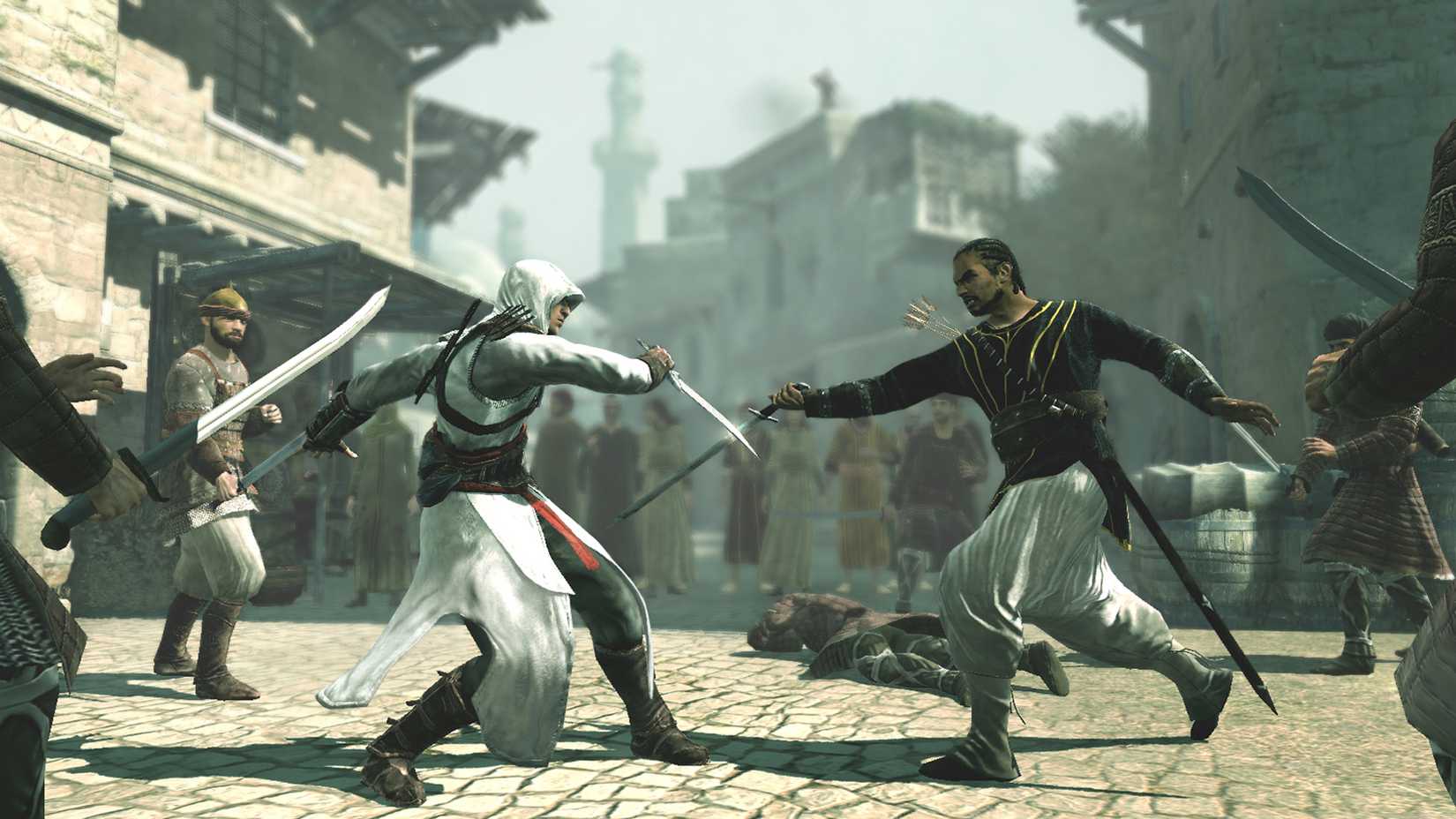
Image: Ubisoft
How fitting that a series about the past makes the list. Assassin’s Creed follows a group of hooded killers. Throughout history, they lurk in the shadows, uncover artifacts of divine power, and steer events to protect humanity’s freedom. Their eternal enemies are the Templars, who seek to impose their rigid order on the populace. The struggle rages for several centuries and countless games. Veterans feel that the franchise is past its prime, but it also took a while to hit its stride.
Released in 2007, Assassin’s Creed is utterly bare-bones. The bland characters and narrative only exist to steer players toward their targets; reaching those targets requires repetitive tasks like tailing and eavesdropping. The process quickly gets old, but the game repeats it a grand total of nine times. To be fair, purists might appreciate this understated approach, as it lets the experience focus on stealth over gimmicks. Unfortunately, even these sneaky mechanics feel undercooked. Look no further than the counterattack, which lets players kill whole armies of brain-dead guards without a scratch. With such basic systems, Assassin’s Creed feels more ancient than the dustiest relics.
3
Metroid
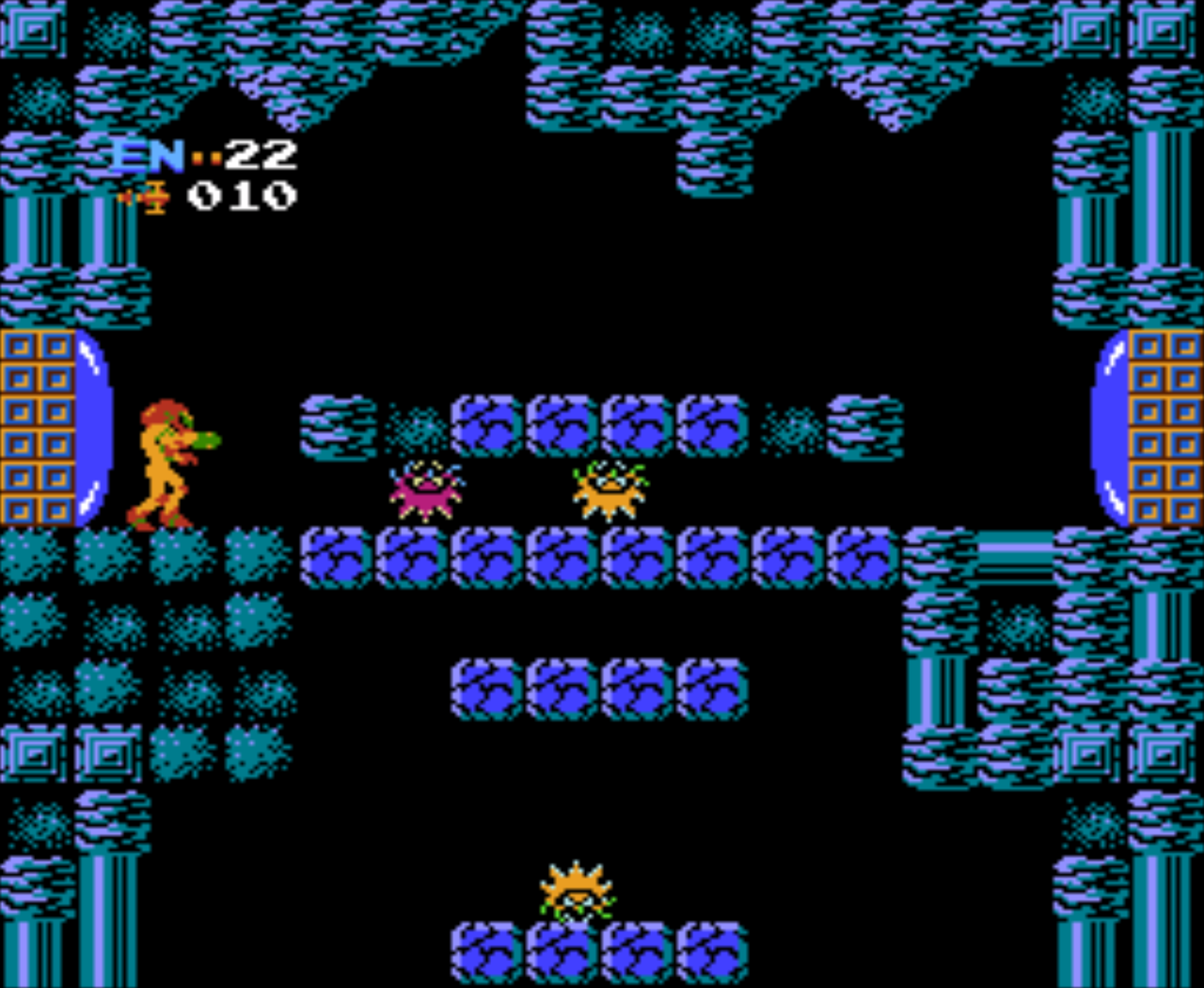
Image: Nintendo/Intelligent Systems
Samus Aran is no stranger to growth. The Metroid protagonist routinely finds herself on perilous planets with space pirates, alien parasites, and other dangers. With her gear either lost or destroyed, she must scour these mazelike worlds for weapons, armor, and gadgets. Only then can she survive impossible odds and vanquish her pursuers. Therein lies the series’ appeal. Not only is it an inspired blend of Lovecraftian horror and sci-fi spectacle, but it helped establish an iconic subgenre in “Metroidvania” games. The original 1986 title carries many of those hallmarks, but it sabotages them at every turn.
Metroid has the labyrinthine structure that defined later entries. The problem is that it has no map. Players spend most of the time fumbling in the dark, relying on shoddy guesswork to determine where to go. The way forward might be a straight path to the next screen, or it could be something random like through a wall or under a lava pit. Compounding that annoyance are the enemies. Samus can’t crouch, yet many of her alien assailants are too short to shoot at normal height. When they inevitably kill her, she respawns with a fraction of her health. This journey is so painful that you’ll probably never see the game’s gender-bending ending.
2
Grand Theft Auto
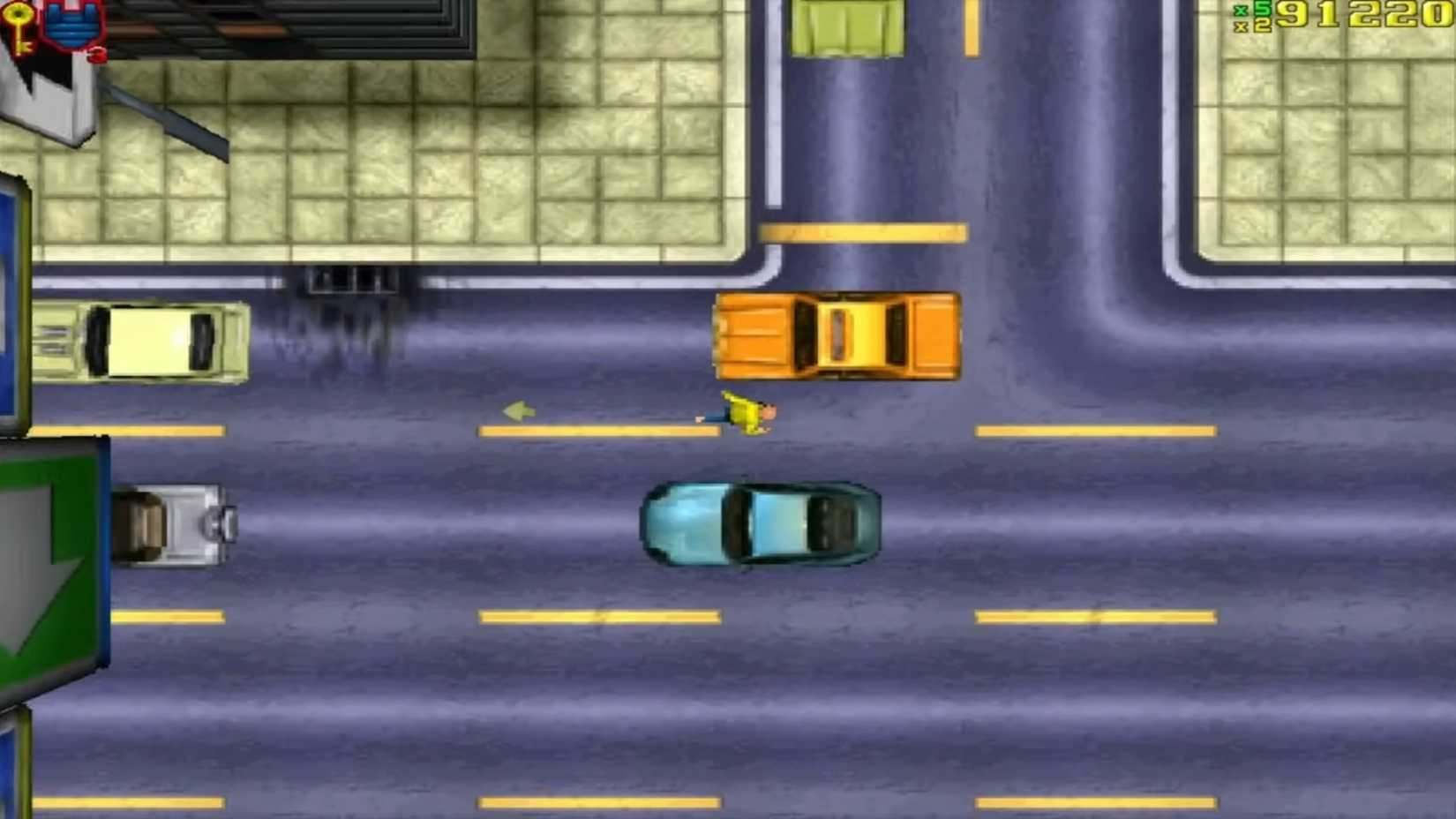
Few franchises are more pivotal than Grand Theft Auto. These crime games present open worlds based on America’s iconic cities. As players drive through these bustling hubs, they take on missions from local gangsters, government stooges, and other shifty individuals. The jobs range from carjacking to robbery to shootouts. In short, each town exists as a chaotic playground. Of course, 2001’s Grand Theft Auto 3 popularized that formula as a 3D sandbox, yet its predecessors go mostly unmentioned. Maybe that’s for the best.
The first Grand Theft Auto is a 1997 title where fans rise in the underworld ranks across three cities. The basic structure is the same, but it lacks the cartoonish characters and cultural satire that later games became notorious for. In place of any narrative, the goal is just to score enough points to progress. It’s not dissimilar to an arcade cabinet in that sense. Sadly, the faulty controls, cookie-cutter graphics, and disorientating top-down perspective make that task harder than it should be. Moreover, they prevent fans from immersing themselves in the urban sandbox. Take out the title, and Grand Theft Auto.is just another vehicle gimmick game of the era.
1
Street Fighter
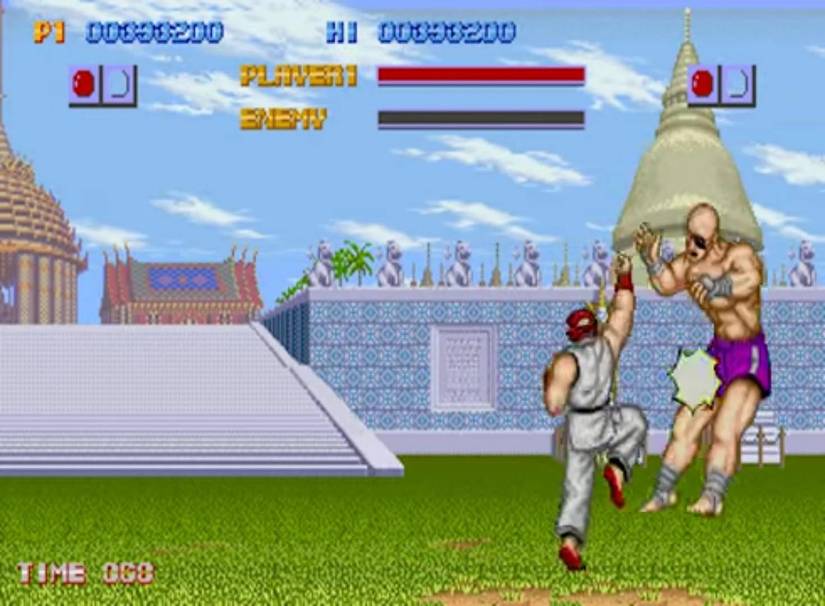
Image: Capcom
Fighters wouldn’t be the same without, well, Street Fighter. At its core, this series is about a worldwide combat tournament. The event draws warriors from across the globe, each with wacky skills and colorful outfits to match. As they rise through the ranks, these fighters come to realize deep-seated truths about themselves. More importantly, they bash the bad guys at the top. The setup epitomizes the old saying of “simple yet effective.” The first release, though, is just simple.
1987’s Street Fighter has the familiar concept, but it fumbles the execution. Controlling a martial artist named Ryu, players battle their way through the most powerful pugilists in every country. As daunting as that prospect sounds, the bigger challenge lies in the clunky controls. It’s a royal pain just to throw a punch, let alone pull off special moves like Hadouken. With combat this cumbersome, Street Fighter was lucky to get past the first round.


