
You naturally expect a video game series to get better as it goes. The first entry is a proving ground where the developers test out their ideas. It’s a chance to see what works and what falls short. The programmers then take that feedback to heart in crafting the sequel. They hone their skills and iron out the kinks to create a more complete product. This theory is perfectly logical on paper. All too often, however, the industry is anything but logical.
Some game series peak early. They wow audiences with fantastic debuts before slowly descending into mundanity. Plenty of reasons exist for this fall from grace. The developers might learn the wrong lessons from their work, building on bad ideas until they overshadow the good ones. Alternatively, the IP could pass to another team. These new developers often lack their predecessors’ experience, failing to understand what made the franchise popular in the first place. Whatever the case, the final product suffers. These once-proud game series forever tarnish their own legacies, leaving fans pining for days gone by.
4
Dragon Age
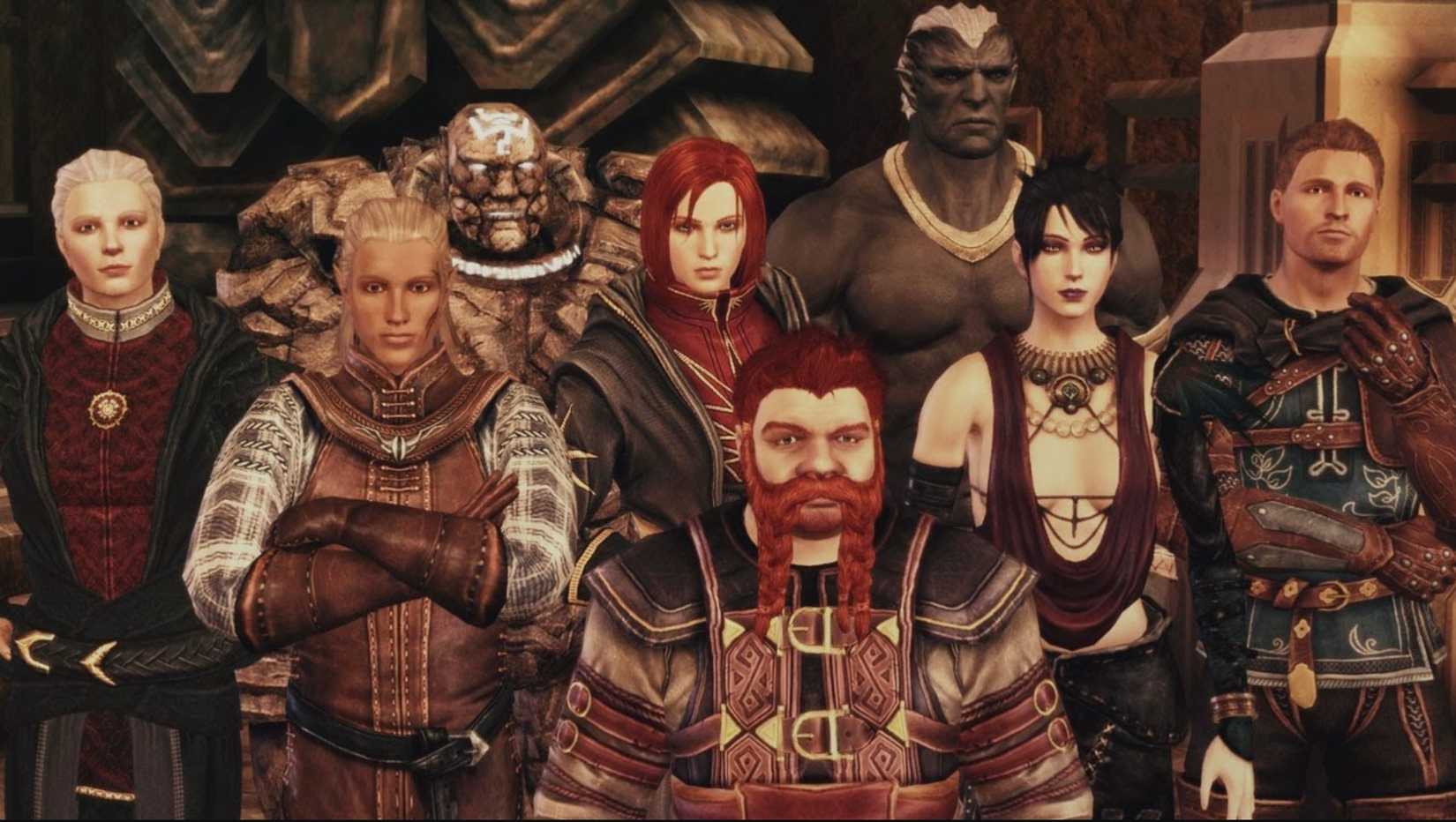
Image: BioWare
This entry is sadly emblematic of developer BioWare’s downfall. After proving themselves with Mass Effect, these guys strove to put their stamp on fantasy with Dragon Age: Origins (2009). This RPG let fans create a character from several races, classes, and backstories. As war engulfed the medieval world, they fashioned a personal tale with consequences for each painstaking choice. Completing the experience were the intriguing party members, who reacted organically to players’ decisions, insults, and bonding attempts. With the sheer depth on offer, one could excuse the game’s drab dungeon design and ugly graphics. The sequels fixed those aesthetic problems, but not much else.
The dark fantasy franchises soon became unrecognizable. Dragon Age 2 (2011) was a rushed follow-up with a fraction of the first game’s size, stripping down every role-playing element imaginable. Dragon Age: Inquisition (2014) partly atoned for those faults by recapturing its RPG roots. In addition, it presented several massive zones, each containing quests to complete, treasures to find, and allies to gather. The downside was that it bogged fans down in busywork; these “side quests” were mandatory to progress the main story. The studio could have addressed that fatal flaw, but no.
Dragon Age: The Veilguard (2024) cheapened the experience to an insulting extent. The gameplay replaced careful strategy with flashy gimmicks, and it unfolded in linear levels so shallow that they were practically set dressing. Speaking of shallow, the writing was the same cheeky, anachronistic nonsense that you’d find in a Marvel movie. This abysmal script killed all immersion and sapped any meaning from players’ choices. The newly cartoonish art style was just the final nail in the coffin. Dragon Age had died, and it took BioWare with it.
3
Insomniac’s Marvel Series
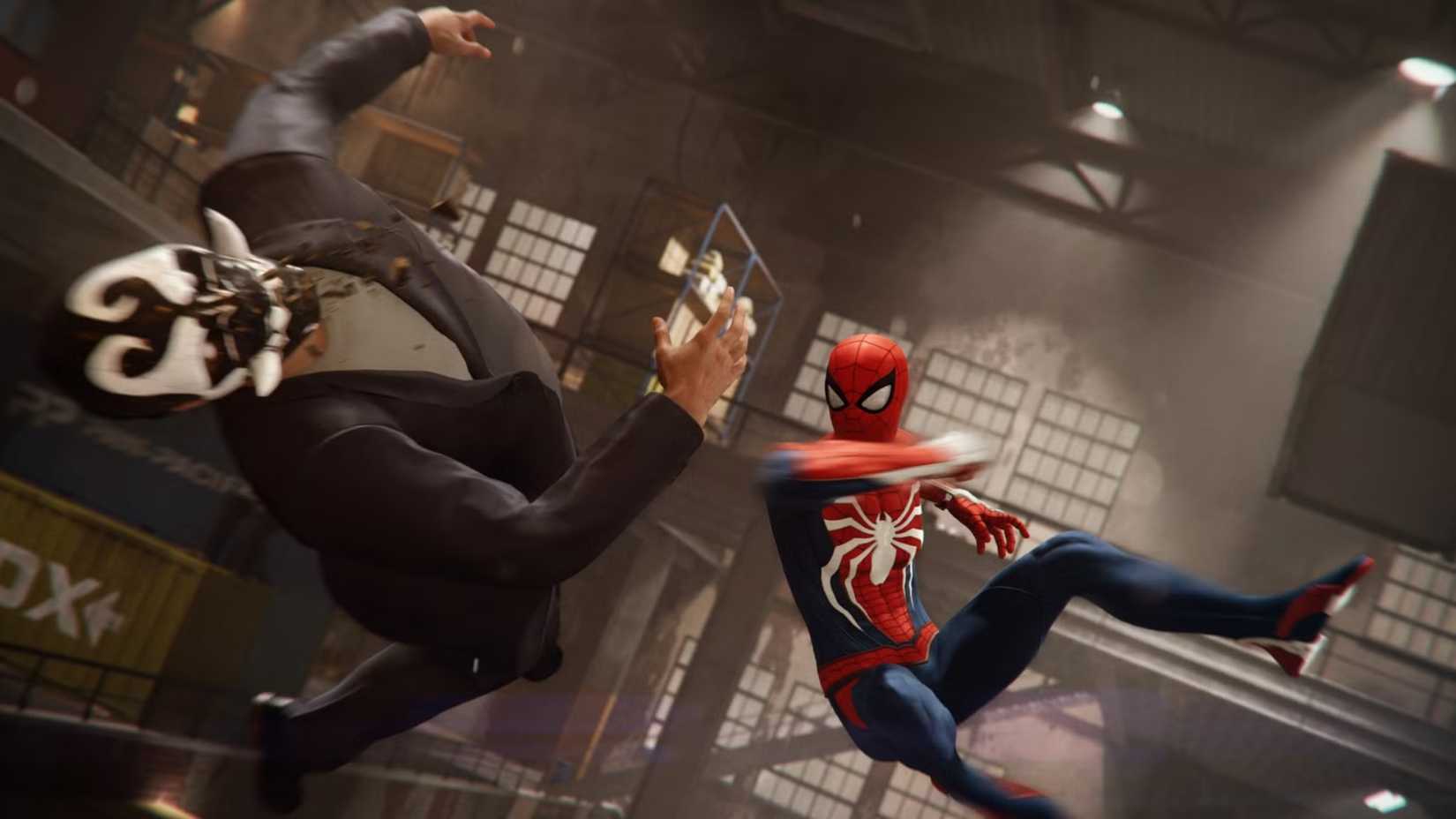
Image: Insomniac, Sony
Superhero games had always been around, but they were usually third-party shovelware from no-name studios. Marvel’s Spider-Man (2018) was different. It came from Insomniac, a first-party PlayStation studio and one of the most revered developers in the business. That skill was plain to see onscreen. The game boasted an open world where fans zipped around New York City with the hero’s signature web-swinging. Other Spider-Man tie-ins had done the same, but the mechanics were now sleeker and more intuitive than ever. Players had a blast just exploring the city, collecting goodies, chasing crooks, and tackling side gigs. Sadly, like most Insomniac titles, it broke up the fun with an uneven narrative, boring minigames, and unwanted gimmicks. Mary Jane stealth missions, anyone? While the next game could have addressed these issues, they proved an ill omen for what was to come.
The developers doubled down on the dumb stuff. Spider-Man: Miles Morales (2020) was a truncated tale about a bland supporting player, feeling more like a PS5 tech demo than a true sequel. Marvel’s Spider-Man 2 (2023) tried to build on both Web Heads, yet that tug-of-war led to a mess of simplified gameplay, half-baked concepts, annoying dialogue, and unearned melodrama. Branching out to other heroes only worsened the issues, evidenced by Marvel’s Wolverine (2026).
In this recycled hack-and-slash title, fans controlled a toothless version of the X-Men star as he ran from cutscene to cutscene, all to service a story stepped in noncommittal mediocrity. Insomniac set out to craft a shared gaming universe devoted to Marvel’s greatest icons. Instead, the series seemed like a hollow product steered by focus groups.
2
Banjo-Kazooie
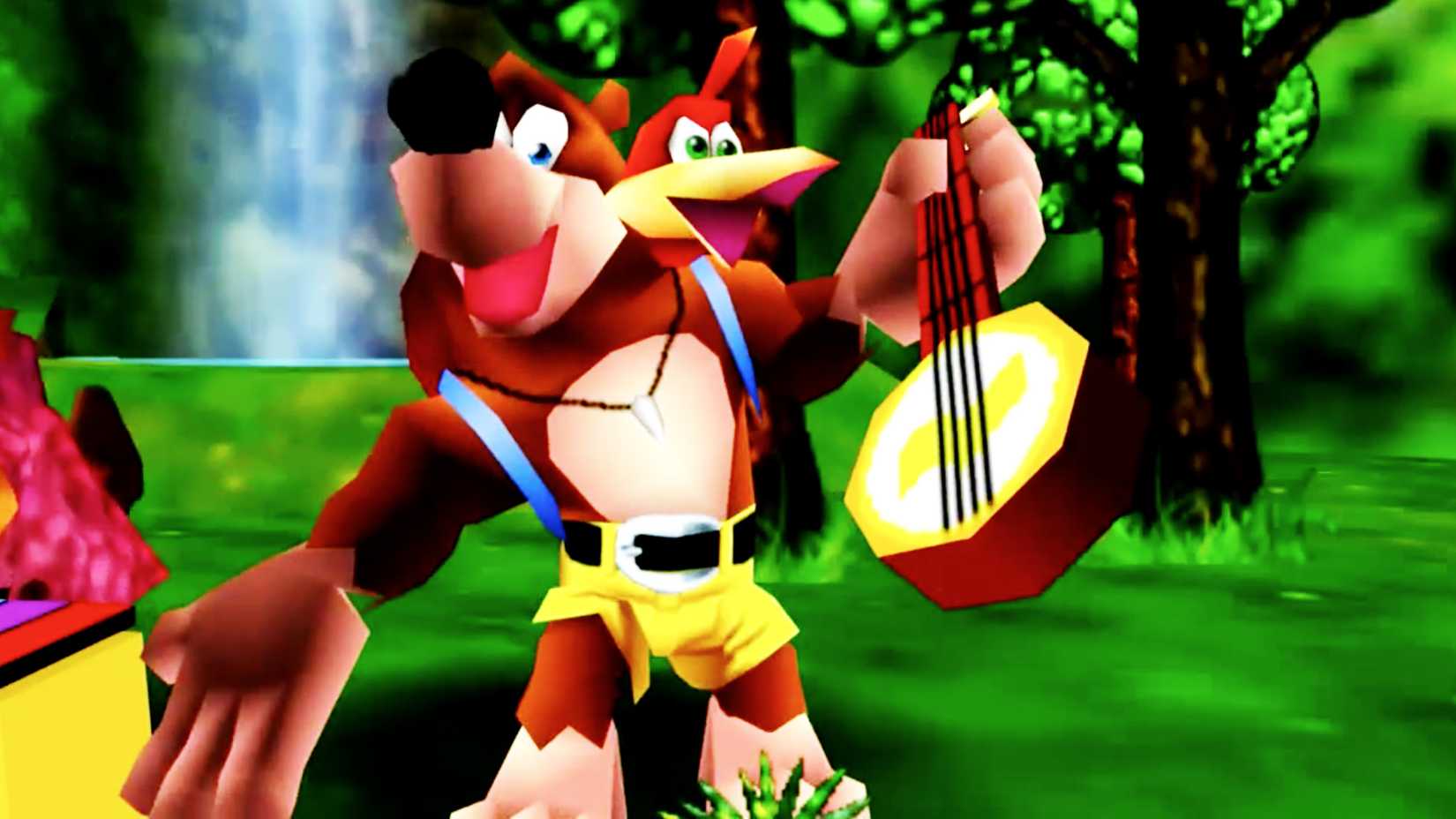
The transition from 2D to 3D was a tricky time for gaming, but Banjo-Kazooie (1998) proved the format’s potential. The game saw players control the titular mascots as they trekked through nine colorful worlds. Jumping over obstacles and solving puzzles, they steadily unlocked more areas by gathering jigsaw pieces and musical notes. This simple gameplay loop was incredibly satisfying, helping popularize platforming collect-a-thons. Although the future held further adventures, they weren’t what fans expected.
Banjo-Tooie (2000) aspired to be bigger and better, but it only succeeded in the former. The environments were so huge that traversal became a chore, especially with the rampant backtracking required. Rather than trim the overblown sequel, though, subsequent entries abandoned this template altogether.
The following games tried in vain to reinvent the series. Banjo-Kazooie: Grunty’s Revenge (2003) opted for a 2D handheld adventure, but its lack of challenge and primitive design made it a poor substitute for its console brethren. Banjo-Pilot (2005) stuck to the handheld approach, this time for an uninspired kart racer copying its more polished peers. Admittedly, Banjo-Kazooie: Nuts & Bolts (2008) returned to consoles for a collect-a-thon throwback, but it diluted the formula by emphasizing wonky vehicle building over true platforming. Simply put, the revolutionary series had forgotten what it was.
1
Halo
Bungie/Microsoft Studios
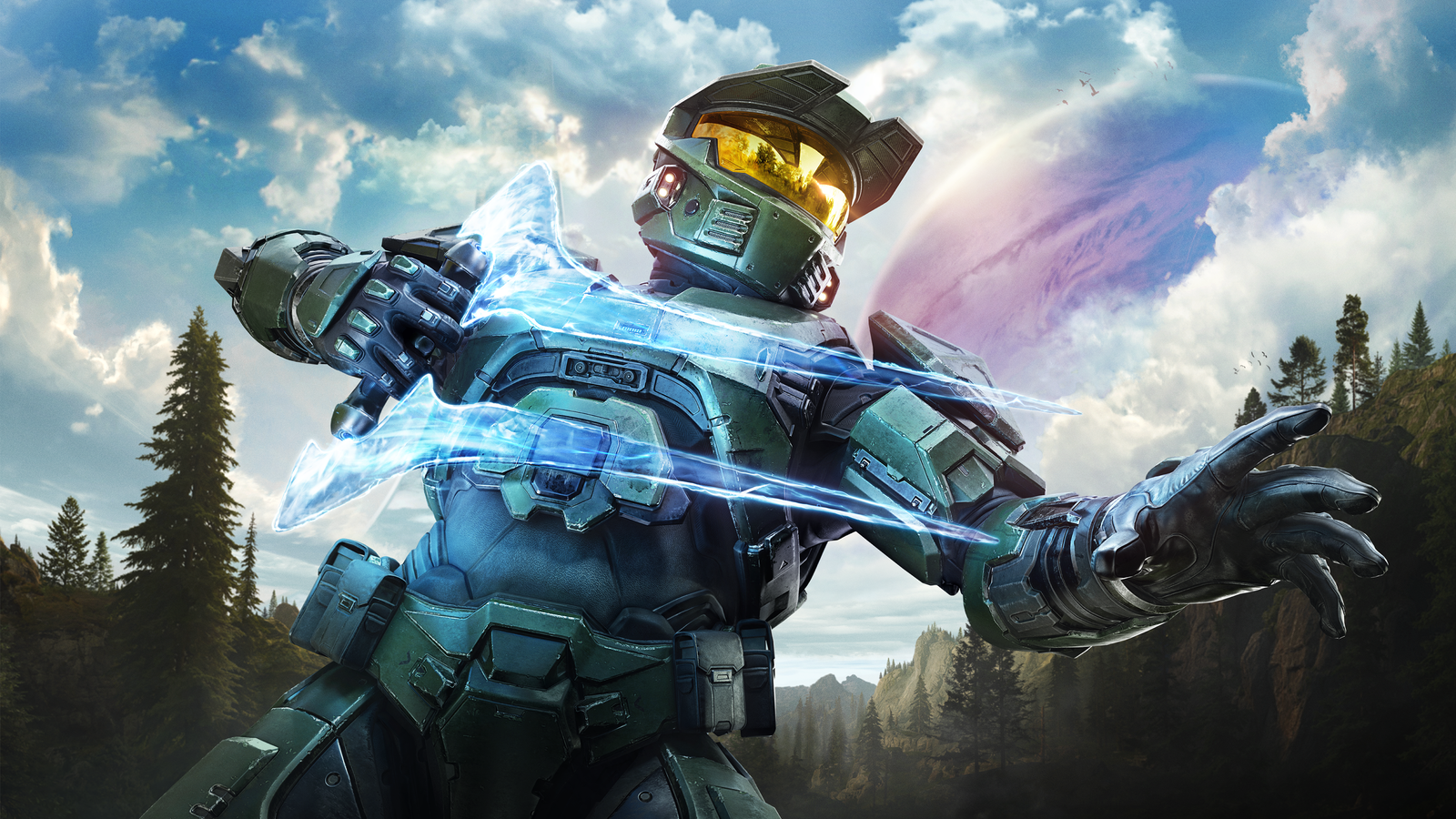
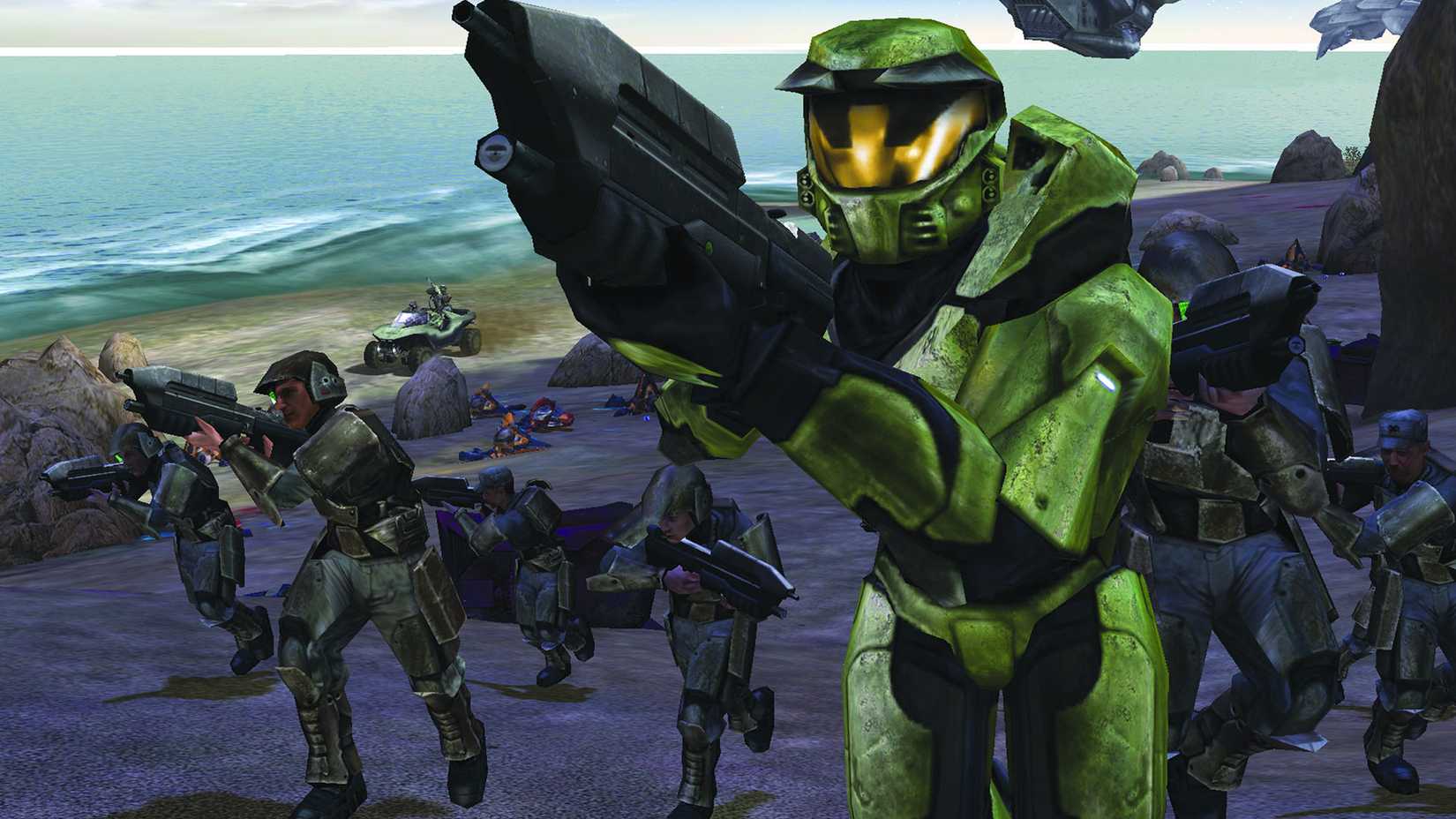
Being Xbox’s flagship franchise made Halo ripe for exploitation. The first game, Halo: Combat Evolved (2001), was a tight first-person shooter where imagination filled every corner of its sci-fi setting. The sequels, Halo 2 (2004) and Halo 3 (2007), refined those strengths into a spacefaring epic. After climbing so high, though, the series had nowhere to go but down.
The IP continued to dominate the Microsoft market, but something was off. While projects like Halo 3: ODST (2009), Halo: Reach (2010), and Halo 4 (2012) had many great moments, they weren’t as engrossing as the original trilogy. The studio slowly shifted focus to the multiplayer aspect. The results were fewer enemy types, streamlined designs, and shorter lengths for the main campaigns. Although these problems weren’t game-breaking yet, the pattern would only persist over time.
Fans soon turned on the beloved franchise. Halo 5: Guardians (2015) and Halo Infinite (2021) both earned ire upon release. Sure, the multiplayer modes kept them afloat, but the stories were lackluster slogs through recycled territory. Worse, the new characters cheapened the established heroes while failing to arouse any interest of their own. The degradation came full circle in Halo: Campaign Evolved (2026), a remake of the first entry. Although the core product still excelled, the intrusive gameplay tweaks and contrived plot additions stuck out like a sore thumb. What better measure of how far the mighty had fallen.
POLL
Question 1 of 3


