
The first time I played Grand Theft Auto 5, I was ready to wreak havoc the second I picked up the controller. When my buddy handed me the controller to try it out at his apartment, I asked him how to unlock all weapons and got up to the old tricks of my PS2 glory days. Cars were stolen, cops were exploded, and fun was had by all (except the pedestrians).
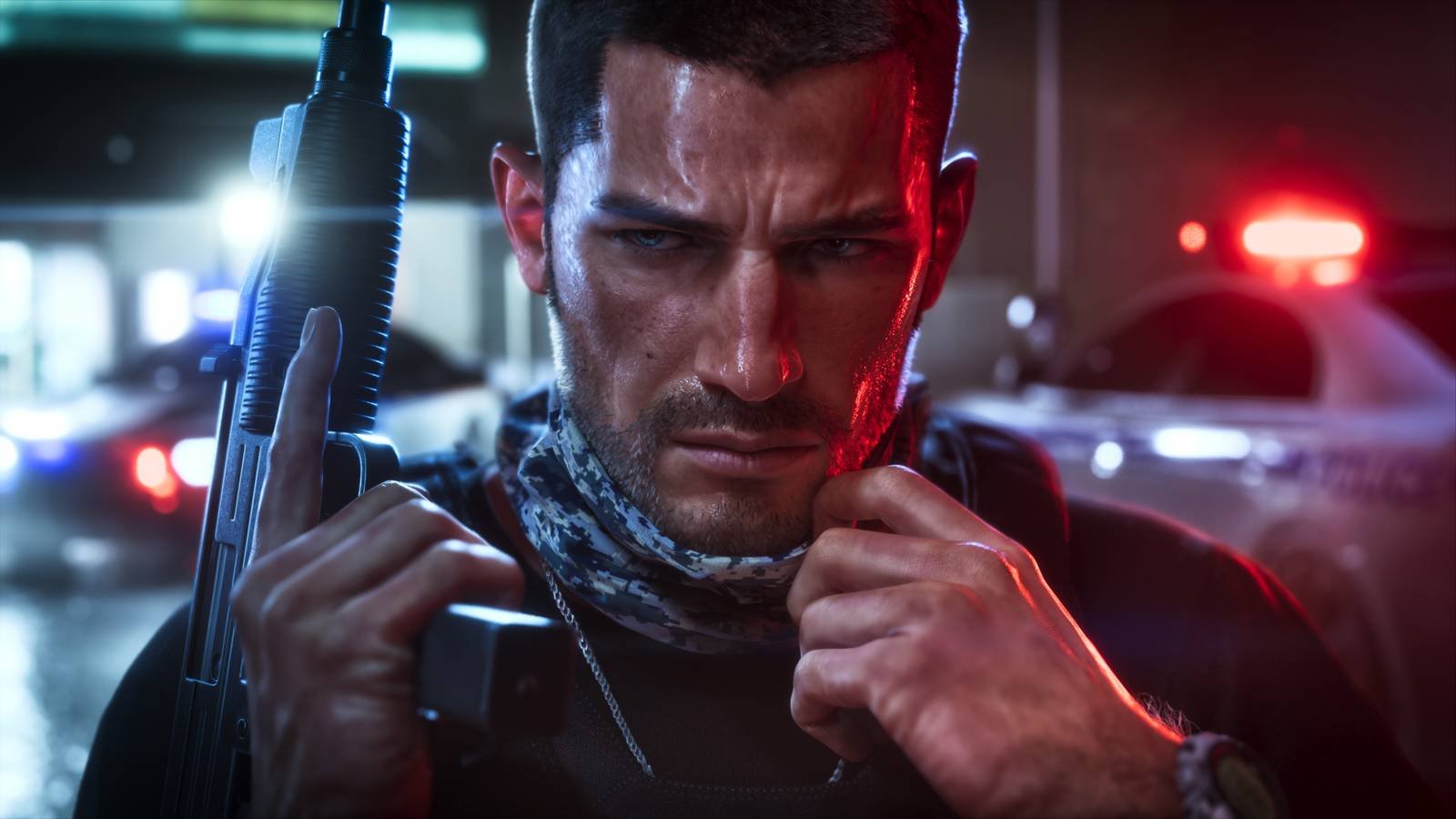
The first time I played Grand Theft Auto 6 was a very different experience. Immediately taken aback by its comparatively ultrarealistic visuals, all of my usual GTA instincts went haywire. For the first time ever in one of these games, I found myself instinctively following traffic laws. I didn’t consider running a red light. I was patiently waiting in traffic jams. I wouldn’t even dare to bump another car and risk scratching up my paint. Killing a pedestrian? Absolutely not!
I’m not the only one who has experienced this phenomenon, as I’ve since discovered. PC Gamer’s Lincoln Carpenter recalled having the exact same experience in GTA 6. I’ve heard some of my colleagues say the same thing upon starting the game themselves. [Ed. note: Confirmed.] It’s undeniable that GTA 6’s shift towards realistic visuals comes with some psychological side effects. In my review, I argued that the shift in mentality ends up being to GTA 6’s benefit as it plays into the rule-breaking joys of the series. But it does beg a tired question that feels older than GTA itself at this point: How real is too real?
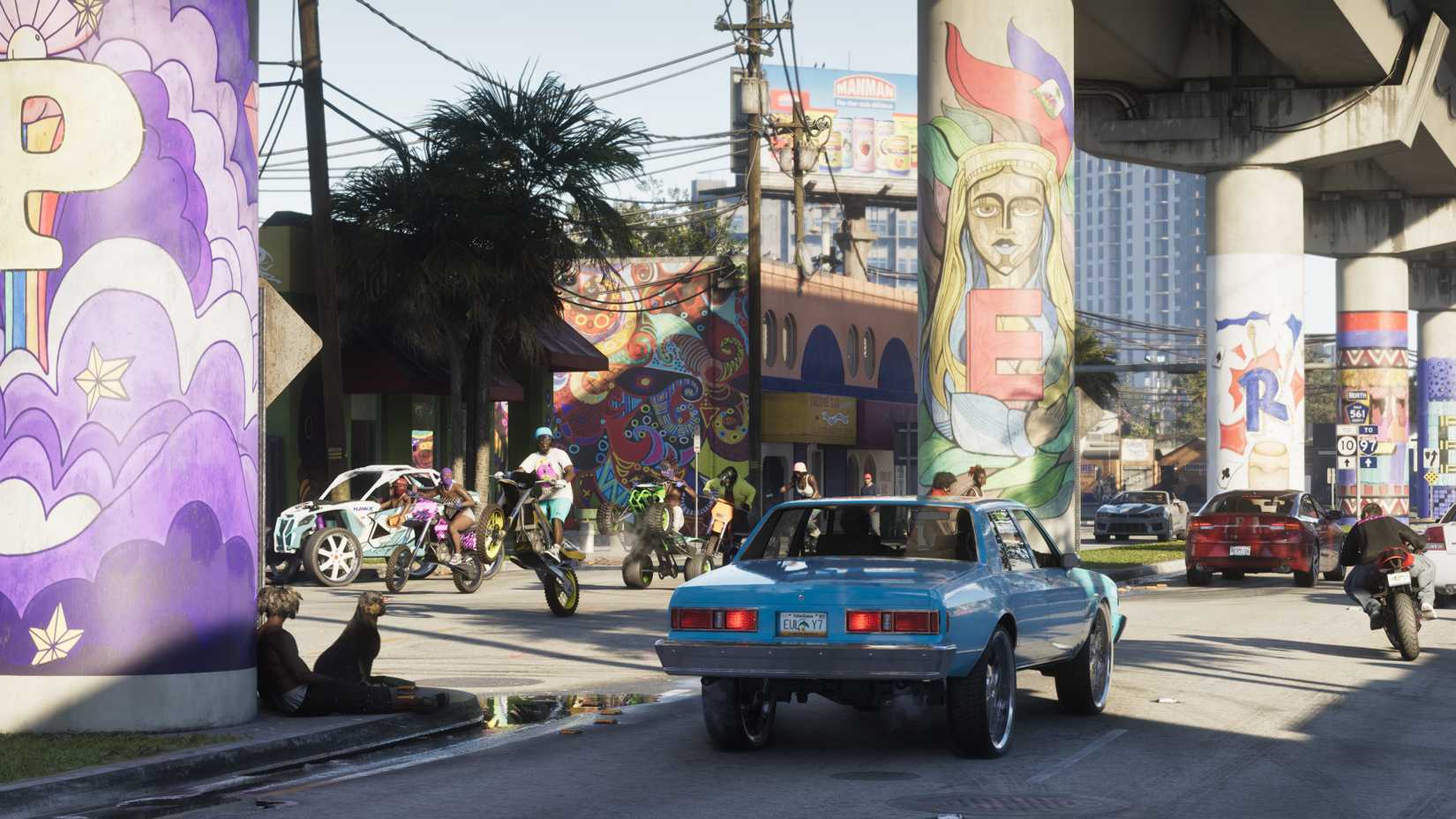
I’m hesitant to heat up gaming’s long-running debate because it is designed to age poorly. Anyone who rang alarm bells over Grand Theft Auto 3 in 2001 surely seems silly now when you look at that game’s blocky visuals. I feel a little more confident about opening that can of worms in 2026 because GTA 6 really does feel like it’s approaching a technological plateau. Even if we have games that straight up mirror reality in 15 years, GTA 6 is still going to look pretty damn real; there’s a reason fans have been creating “GTA 6 vs. reality” compilations since Rockstar first debuted footage of the game in 2023. (Feel free to screenshot this and send it to me when GTA 7 comes out if it makes this game look like True Crime: Streets of LA by comparison.)
Images: Rockstar Games
How much does that change the experience of playing GTA 6? In some ways, not too much at all. Once the initial shock wore off, I found myself gradually getting back to my reckless ways. More than 70 hours in, I now drive like an idiot and punch out cops without a hint of guilt. Game design has a way of winning out over visuals long-term, and GTA 6’s mayhem is too tempting to stay away from forever.
But in other ways, it’s very much impacted my reaction to that mayhem. In one session, I accidentally drove my car into a pond. When I emerged, I realized I had hit and killed a bird. I picked up its body and felt some genuine shame as its long neck drooped down lifelessly. (I glumly carried it with me for a while until I had to ditch it in the middle of the road to jack a truck.) The first time I decided to go on a full-blown killing spree, I did feel my muscles recoil as I watched pedestrians’ bodies roll off the hood of my car.
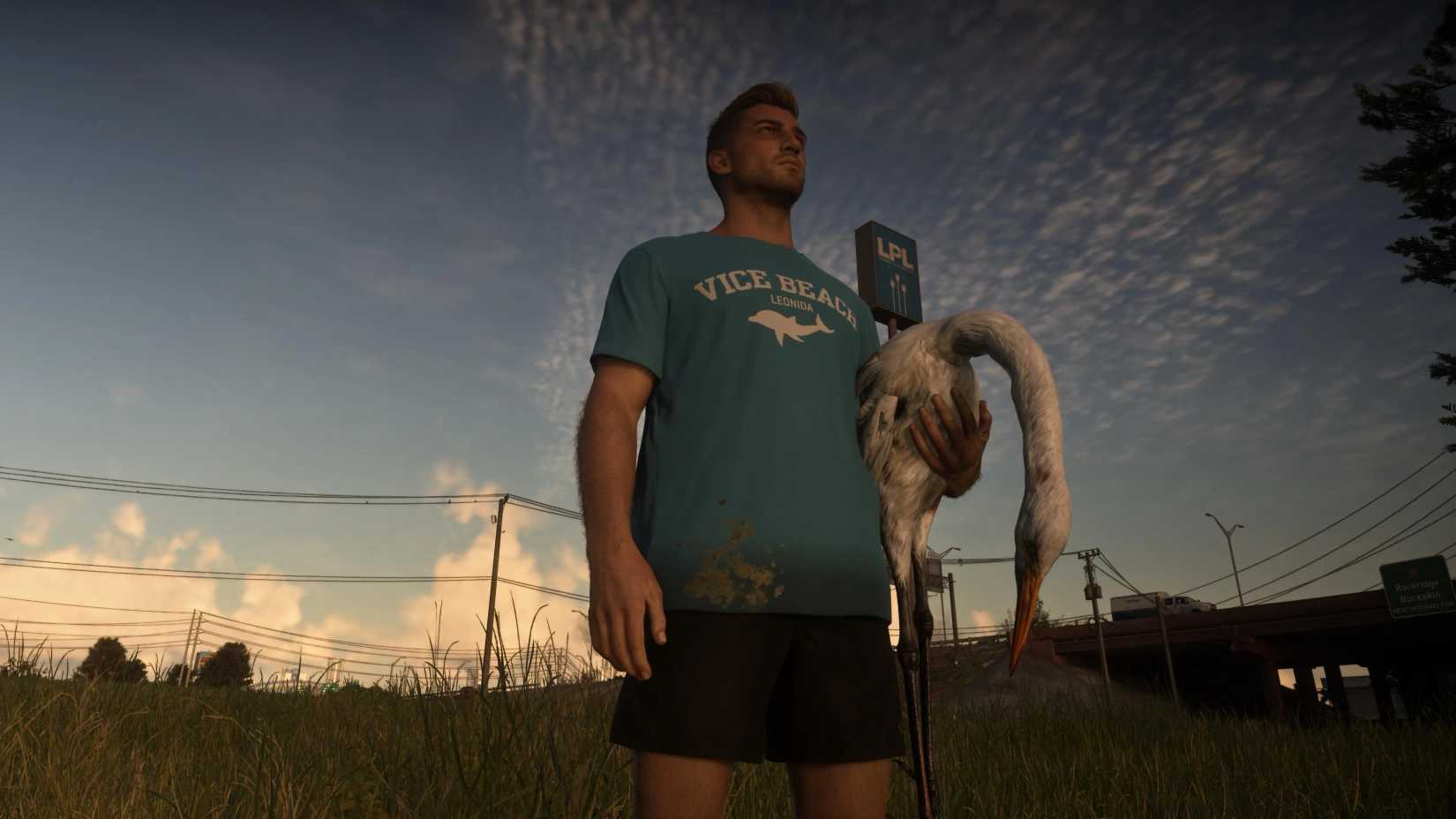
Image: Rockstar Games via Polygon
My one moment of true discomfort came the first time I shot a man in the face with a shotgun point-blank. I wasn’t expecting much more than a healthy spray of blood; instead, I got some gnarly gore as the poor sap’s head got blasted clean off. I’ve seen that effect in countless games, but it has never quite hit me like it did in GTA 6. (Though it also didn’t stop me from hitting more headshots after.)
It’s not just the visual fidelity that provokes these reactions, mind you. GTA 6’s realism is enhanced by meticulous sound design, more grounded physics, reactive NPCs, and detailed map design that spares no expenses on even a roadside gas station mart that you may never see. After Red Dead Redemption 2 and now GTA 6, it’s clear that Rockstar Games is going to keep building on this trajectory rather than taking a stylistic swerve that restores GTA’s arcade action.
These conversations around hyperrealism in games usually circle towards one debate around violence. Are we truly reaching that point that parents have been scared of since Mortal Kombat, where the bloodshed feels so real that it becomes borderline irresponsible for developers to make games like GTA 6? That’s not the question I find myself asking as I accidentally mow down birds with a pickup truck.
-
 Image: Rockstar Games
-
 Image: Rockstar Games
-
 Image: Rockstar Games
-
 Image: Rockstar Games
-
 Image: Rockstar Games





-
 Image: Rockstar Games
-
 Image: Rockstar Games
-
 Image: Rockstar Games
-
 Image: Rockstar Games
-
 Image: Rockstar Games





Instead, GTA 6 has me mulling over how realism can influence how we play a game in new ways. There’s something exciting to me about the fact that everyone I know seems to instinctively follow traffic laws the first time they pick up a controller. I enjoy that I find myself thinking twice about robbing a small little antique store because I feel a twinge of sympathy for the person running the register. The realistic simulation pushes me to make more thoughtful decisions that aren’t solely driven by the need to check an objective off a list.
Stats Screen
Rockstar’s strength has long been its ability to make players interrogate their choices more carefully; I’ll never forget a friend telling me that what blew him away about Red Dead Redemption was that it allowed him to choose apathy, something he had never experienced in a game before. GTA 6 pushes that idea forward without losing the chaotic evil sandbox catharsis that the series was built on; it’s not the heavy-handed design of The Last of Us 2’s NPCs calling out the name of the person you just killed. I now just feel a fuller range of human emotions when I play, and that continues to guide my decisions in ways that continually surprise me. Not every game should chase the realism Rockstar is invested in, but the ones that attempt to could learn a lot from how GTA 6 makes you feel while gawking at it.


