
First impressions are obviously important, but so is sticking the landing. That rule applies to video games as much as any other entertainment medium. In most cases, the solution is a final boss. These powerful foes challenge players more than any other encounter. All the prior obstacles and enemies culminate in these battles, making them both an effective climax for the story and a fitting test of skill. Of course, some developers fumble the ball.
A bad final boss can bring down even the greatest game, and the industry has sadly seen several examples. These enemies might frustrate fans with poor programming and counterintuitive mechanics. Such issues force people to play differently than they have for the rest of the journey. As a result, their losses feel less like their own failures and more like the game is sabotaging them. On the other hand, the battles might be too easy, boiling down to simple gimmicks too stupid to fail. This scenario can be equally unsatisfying, as the ensuing victory doesn’t feel earned. While the reasons may vary, these enemies are a major letdown. They sap nearly all meaning from what could be phenomenal adventures, making players wonder if they’ve wasted their time. Talk about tripping at the finish line.
5
Batman: Arkham Asylum
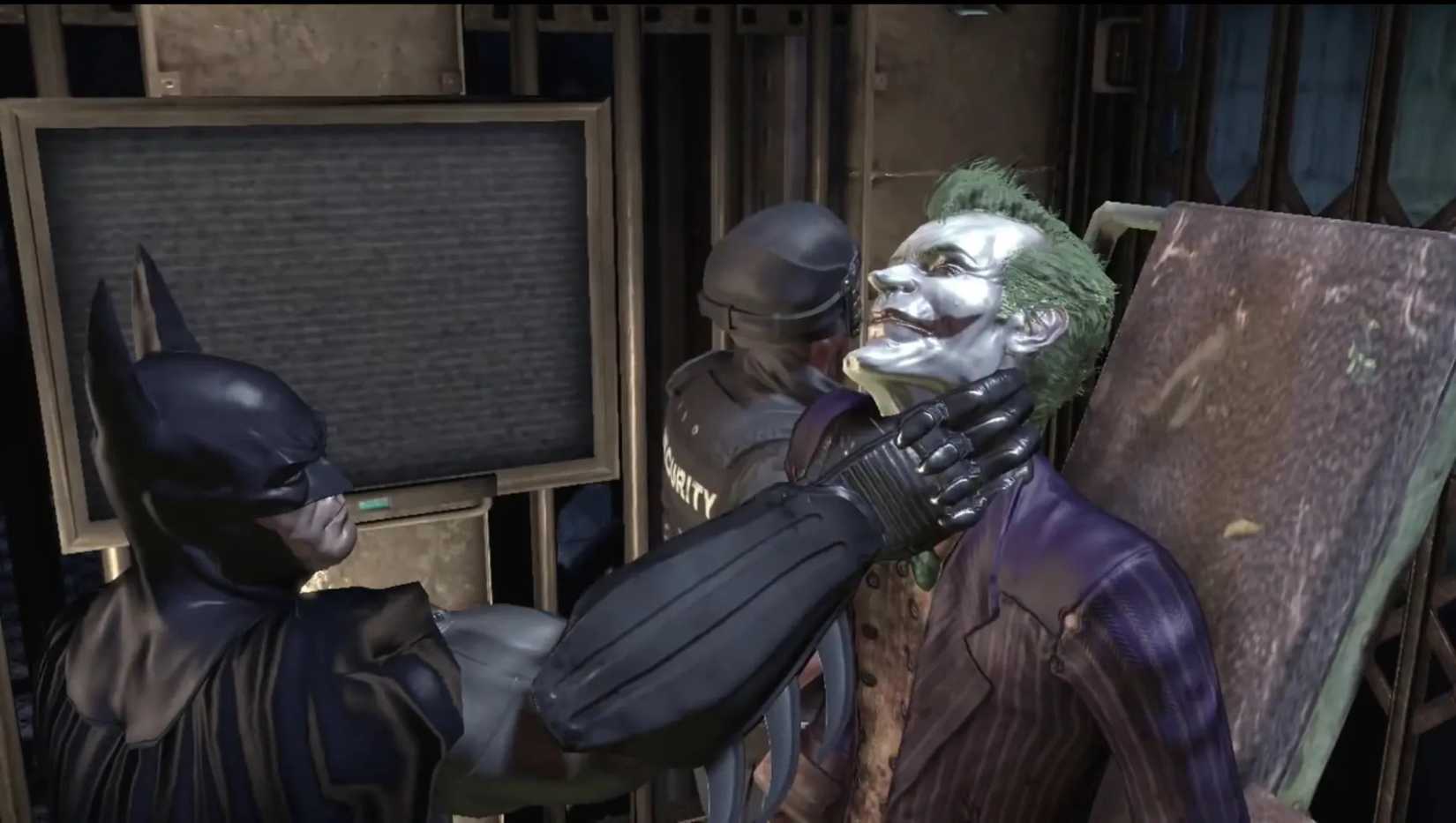
Image: Rocksteady Studios/Eidos Interactive/Warner Bros. Interactive Entertainment
Batman has the greatest rogues’ gallery of any superhero. You’d think these baddies would make for great bosses, but Batman: Arkham Asylum (2009) nixes that idea. The stealth brawler begins with the Dark Knight returning the Joker to the madhouse. The clownish crook soon instigates a mass breakout, pitting Batman against some of his deadliest enemies. The real danger, however, lies in the Joker’s secret experiments. Working with one of the asylum’s doctors, he modifies Bane’s Venom steroid to create a crew of hulking “Titan” monsters. Batman stops this scheme, so the desperate jester uses the unstable formula on himself. What a waste.
The Caped Crusader clashes with his longtime foe, but only in the loosest sense. The giant Joker just takes a few swipes at the hero before jumping out of the ring. He then dispatches some of the same nameless thugs that Batman’s fought for the whole game. Finally, the villain turns his back to smile for the news cameras, letting players pull him off the ledge to deal damage. Repeat this tired cycle a few more times, and the game ends. On top of being pitifully easy, this boss utilizes none of the precision or timing that fans have cultivated thus far. Instead, it boils down to a bog-standard battle of tired gaming tropes. This town deserves a better class of criminal.
4
Uncharted 4: A Thief’s End
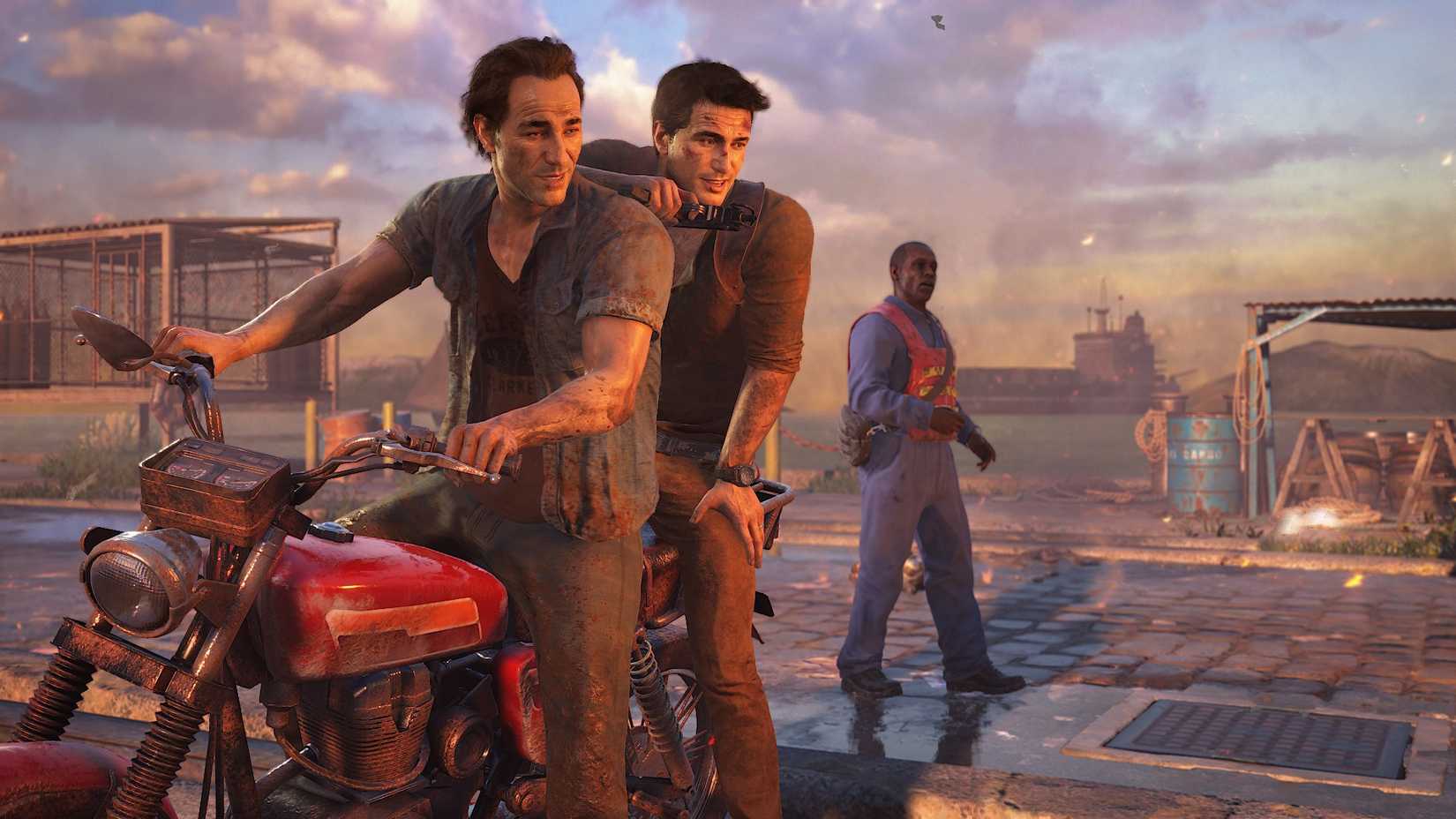
Image: Naughty Dog/Sony Computer Entertainment
As the grand finale to the platforming shooter franchise, Uncharted 4: A Thief’s End (2016) picks up with explorer Nathan Drake thirsting for adventure. He gains renewed purpose from his long-lost brother, who invites him on a quest for a hidden pirate colony called Libertalia. Also seeking the treasure is rich psycho Rafe Adler. After fighting through the villain’s mercenary army, Nate confronts his nemesis in Henry Avery’s gold-laden ship. This meeting sets the stage for an uninspired throwback.
Drake and Adler get into an old-fashioned sword fight. This choice matches the theme, but the gameplay is out of left field. Nowhere in the globetrotting journey is there this style of duel. In fact, Nate doesn’t touch a sword in the whole Uncharted series. That’s probably why this encounter is so scripted. Rather than freely move around, fans must play a brain-dead version of Simon Says. Block right for right attacks; block left for left attacks. Rinse and repeat. This confrontation has none of the excitement that Uncharted is famous for. It turns out “greatness” doesn’t come from “small beginnings.”
3
Sly Cooper: Thieves in Time
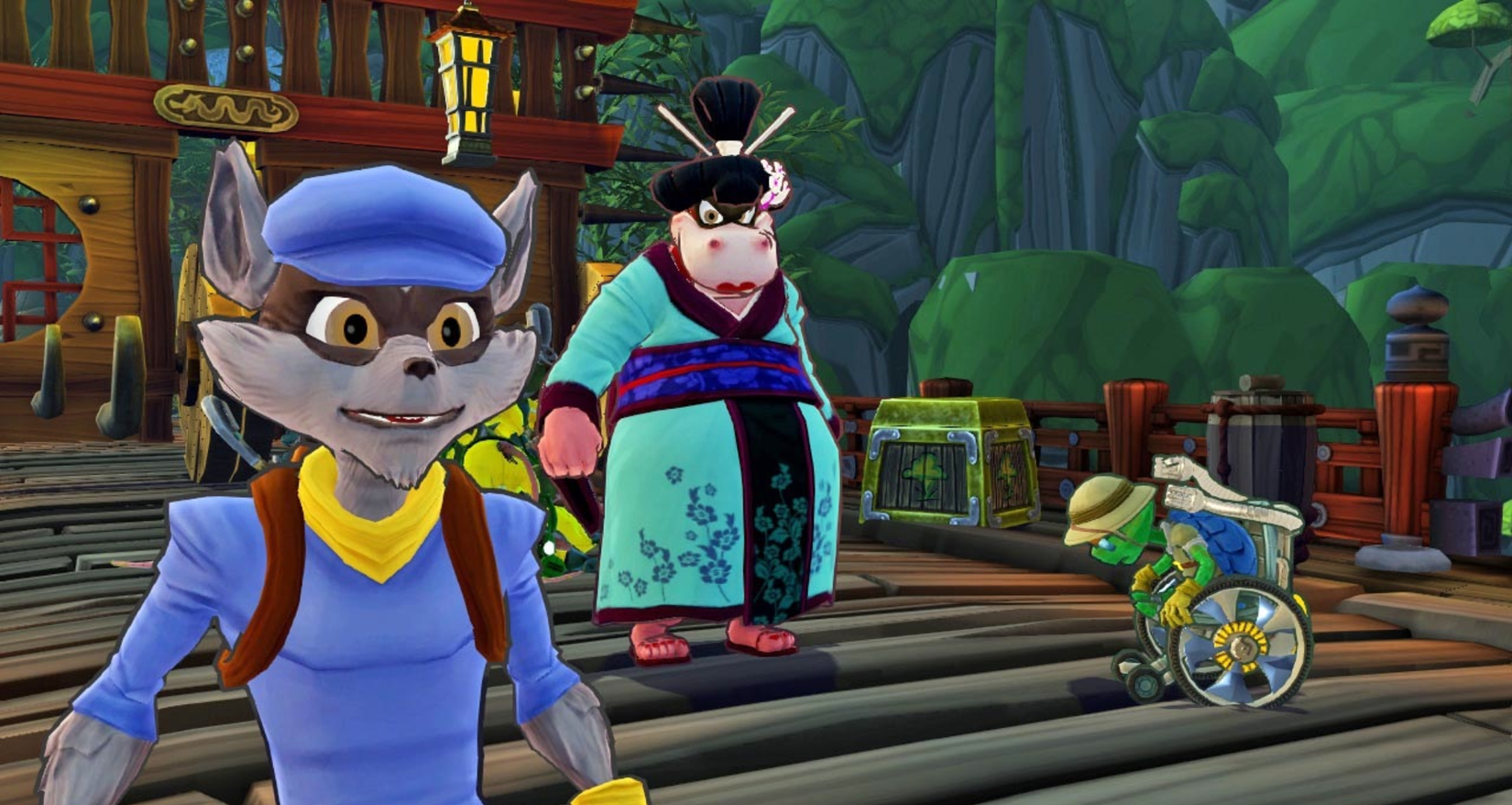
Image: Sanzaru Games/Sony Computer Entertainment
Another thieving series makes the list, this time a stealth platformer. Sly Cooper: Thieves in Time (2013)—the fourth entry in the Sly series—sees the suave raccoon work to restore his family’s legacy. Someone is sabotaging his master thief ancestors across history, so Sly and his friends embark on a temporal adventure to solve the caper. They learn the culprit is Cyrille Le Paradox, a skunk who dreams of creating his own thieving ancestry. The Cooper Gang eventually repairs his damage, and Sly confronts him in his time-traveling blimp. How ironic that their duel feels like a relic.
Like Uncharted, Sly 4 culminates in a sword fight, yet it’s somehow even more scripted. The raccoon must use his homing jump to chase Le Paradox across a rotating machine. After catching up to the skunk, Sly uses his cane against the villain’s blade. Unfortunately, all this boss amounts to is a quick-time event. Buttons flash onscreen, and players hit those buttons to win. The series’ graceful platforming and stealthy precision fall by the wayside in lieu of just following directions. In the process, Sly disgraces the whole Cooper Clan.
2
Gun
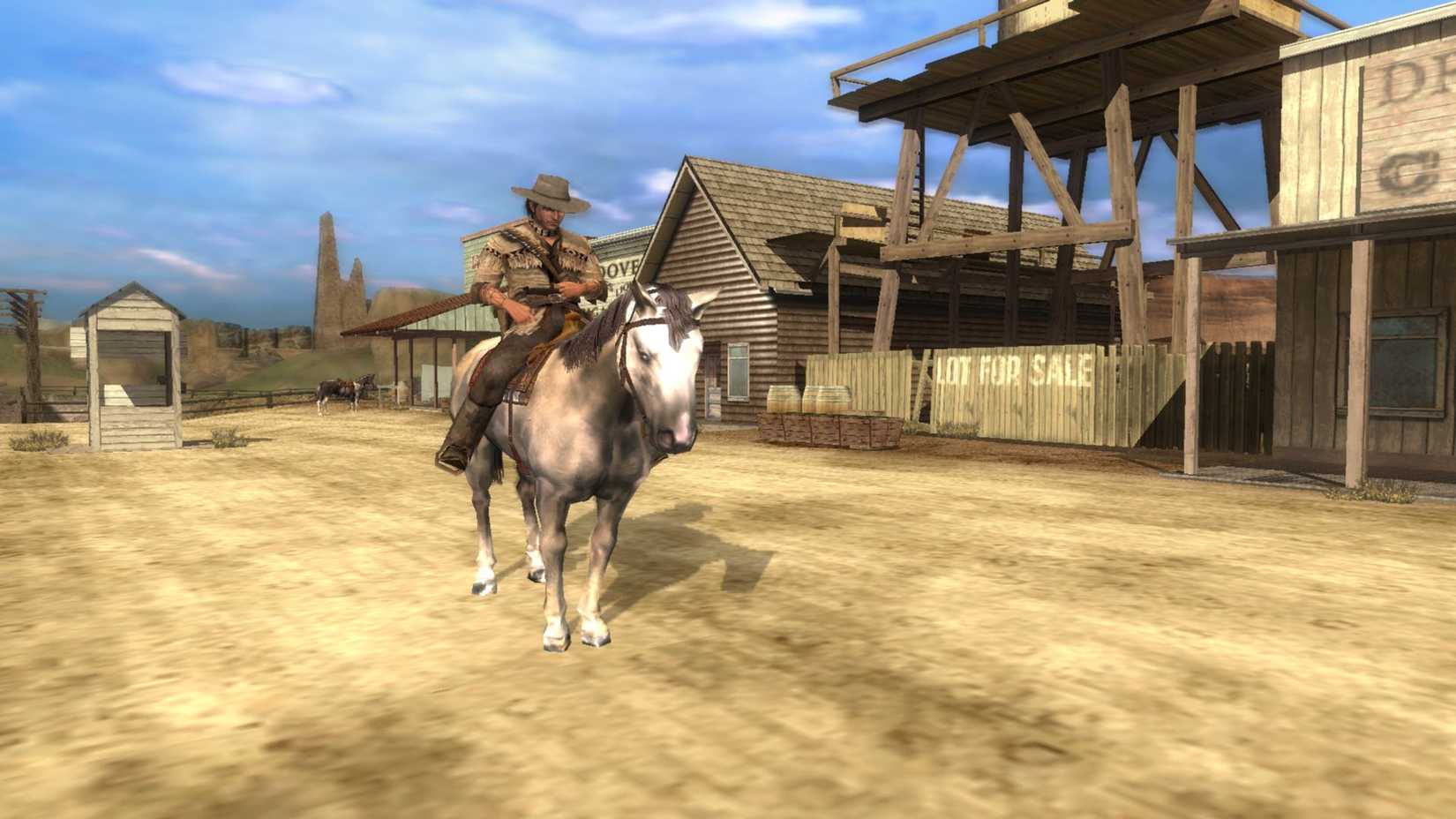
Image: Neversoft/Activision
You’d think a Wild West game would end in a gunslinger showdown, but Gun (2005) aims higher. The open-world title follows Colton White, a humble hunter whose father dies in a riverside shootout. His quest for vengeance takes him across the American Frontier, but this simple mission unveils life-changing mysteries about Colton’s ancestry and an ancient treasure. The man responsible for his misfortune is Thomas Magruder, a former Confederate Army major who’ll stop at nothing to claim the hidden riches. Colton catches up to him in the coveted city of gold, but the ensuing clash is more worthless than tin.
Magruder is basically a tank. Wearing a metal suit of armor, he’s impervious to all guns. Sure, his head is exposed, but Colton’s shots still do no damage. To truly hurt him, the hero must toss explosives onto the surrounding geysers, setting them off just as Magruder runs past. This tactic is nonsensical enough, but it’s also incredibly frustrating. He moves so quickly that it’s tough to time the geysers with his approach. On the other hand, his attacks have pixel-perfect accuracy, which makes no sense given he’s wielding a shotgun. It doesn’t matter how far away or how covered Colton is. If Magruder catches a glimpse of him, half the hero’s health is gone. This bombastic battle goes against every cowboy skill that Colton has honed, being equal parts unpolished and cheap. How ironic that unfolds in a golden cave.
1
Sonic Generations
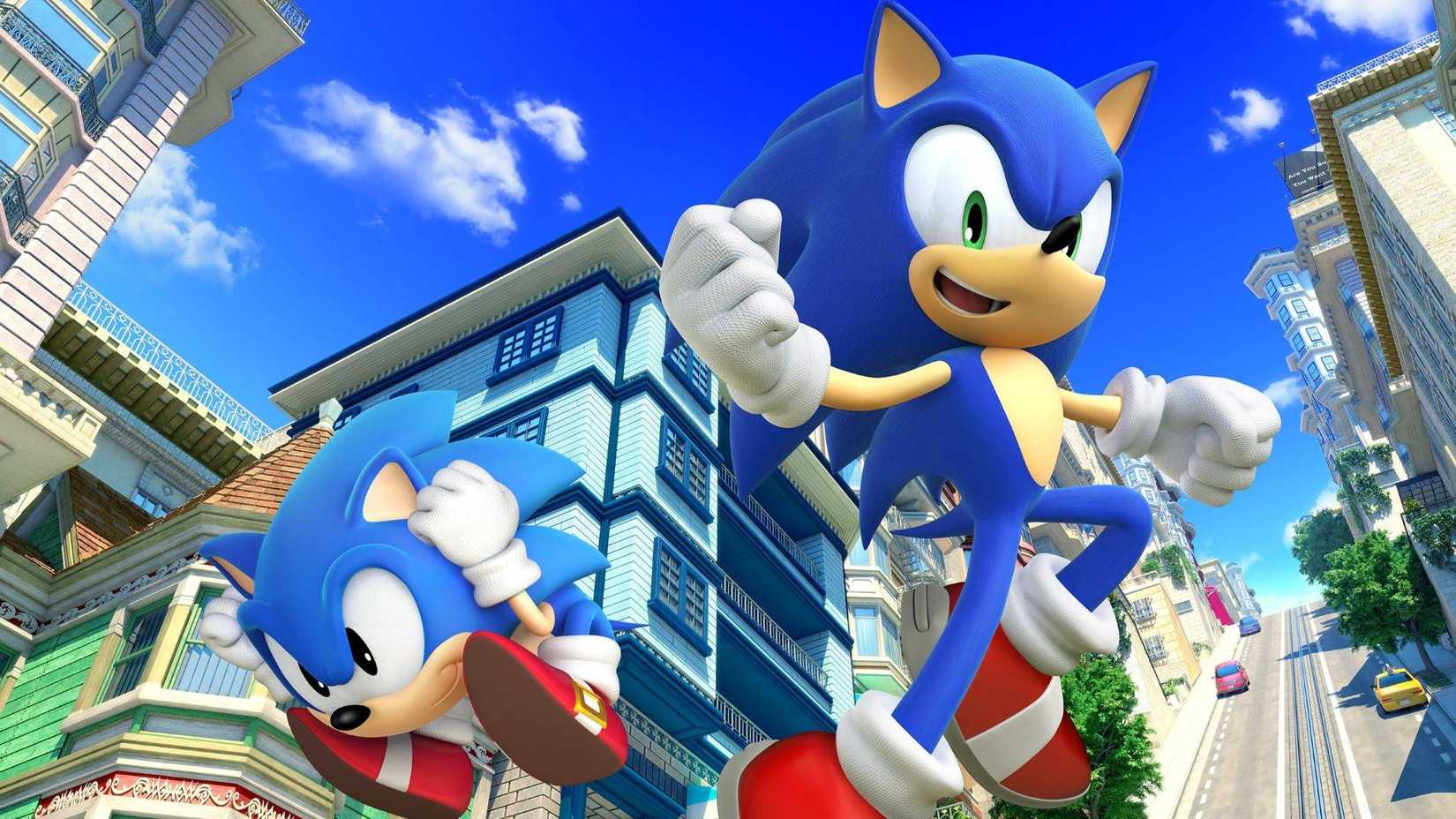
Image: Sonic Team/Sega
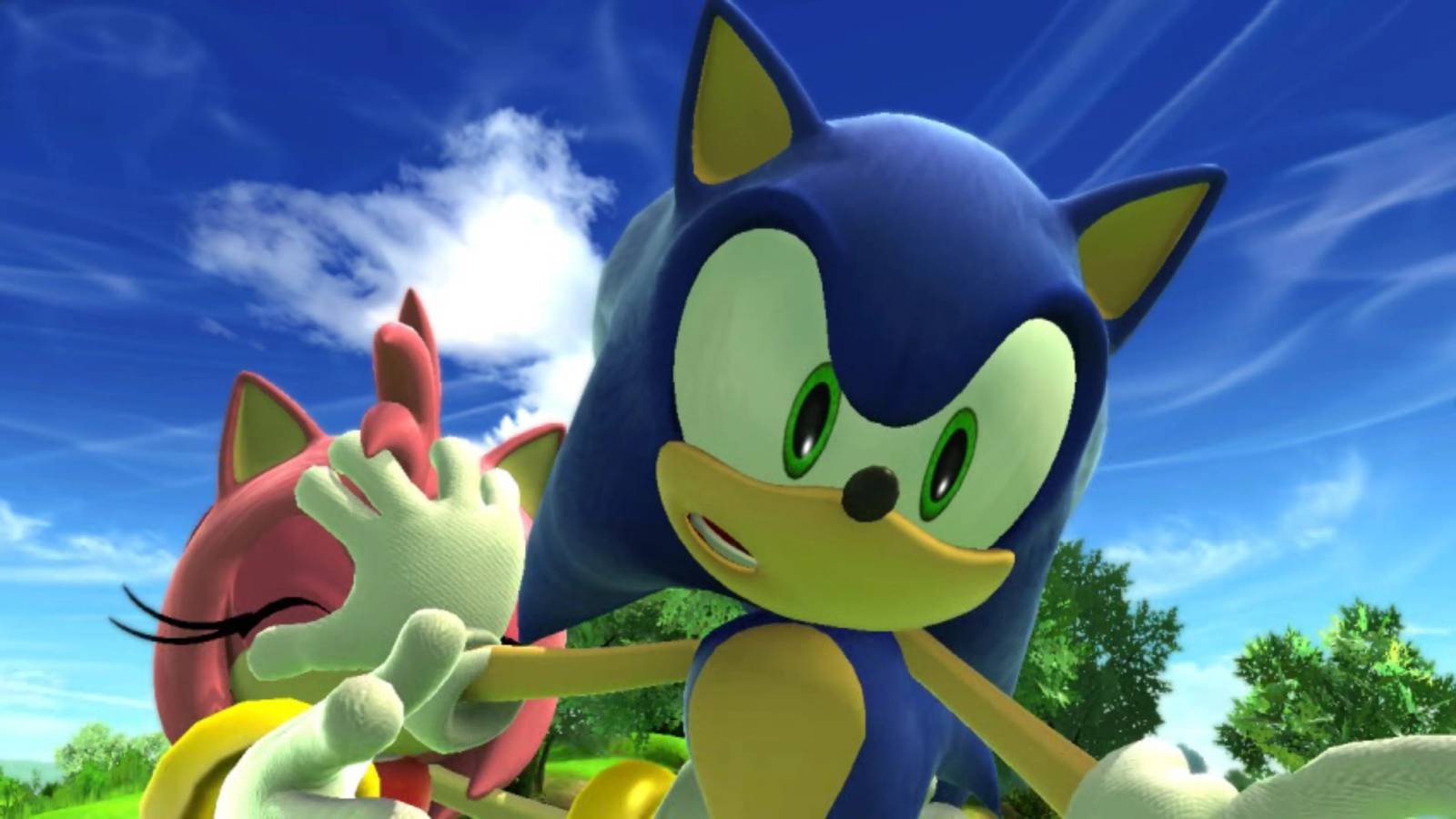
Sonic the Hedgehog has a storied history of ups and downs, and Sonic Generations (2011) pays homage to that legacy. The game opens on the maniacal Dr. Eggman stewing from his latest defeat. He comes across a mysterious entity called the Time Eater, which he harnesses to recruit his past self as a partner in crime. Seeking to shift history in their favor, the two mad scientists trap Sonic’s friends in temporal purgatory. What they don’t count on is the Blue Blur teaming up with his own younger counterpart. To save their pals, the hedgehogs dash through some of the series’ greatest set pieces, conquering the speedy platforming in both classic 2D and modern 3D. Little do they know, however, what the Eggmen unleash.
For the final boss fight, the Sonics must quash the corrupted Time Eater. That said, the level is less of a fight and more of a chase. The heroes soar through a temporal portal to pursue the monster. Their goal is to catch up so that they can deal damage, but they move at such a glacial pace that it takes forever to make any progress. Making matters worse is their super-charged state. This godlike power drains their rings (or health), giving the level an arbitrary time limit until they die. Granted, they can replenish their stock along the way, but the rings don’t pop onscreen until it’s too late to grab them. Such issues make this one fight feel like an eternity. A Sonic the Hedgehog game has no business being this slow, especially not one meant to celebrate his history.
POLL
Question 1 of 3


