
When you play a video game series, you expect to have easy access to all entries. That access is just common sense for storytelling, as it lets fans follow their favorite characters in the order the creators intended. It’s also logical from a business standpoint. If the games are convenient to play, curious customers are more willing to spend their hard-earned cash. Despite those obvious perks, some publishers missed the memo.
Certain franchises have a few obscure entries. Most of them are radical departures from their respective series, featuring new characters, mechanics, and aesthetics. Those differences may be because the developers intend these titles as spin-offs or placeholder products. Others might be experiments to test fresh ideas planned for sequels. Whatever the case, publishers ignore these off-kilter titles whenever they package the whole series, choosing instead to focus on their popular peers. Even ardent fans may not know about these obscure efforts. Are they really hidden gems, or are they best left forgotten? The answer is up to the players.
5
Red Dead Redemption
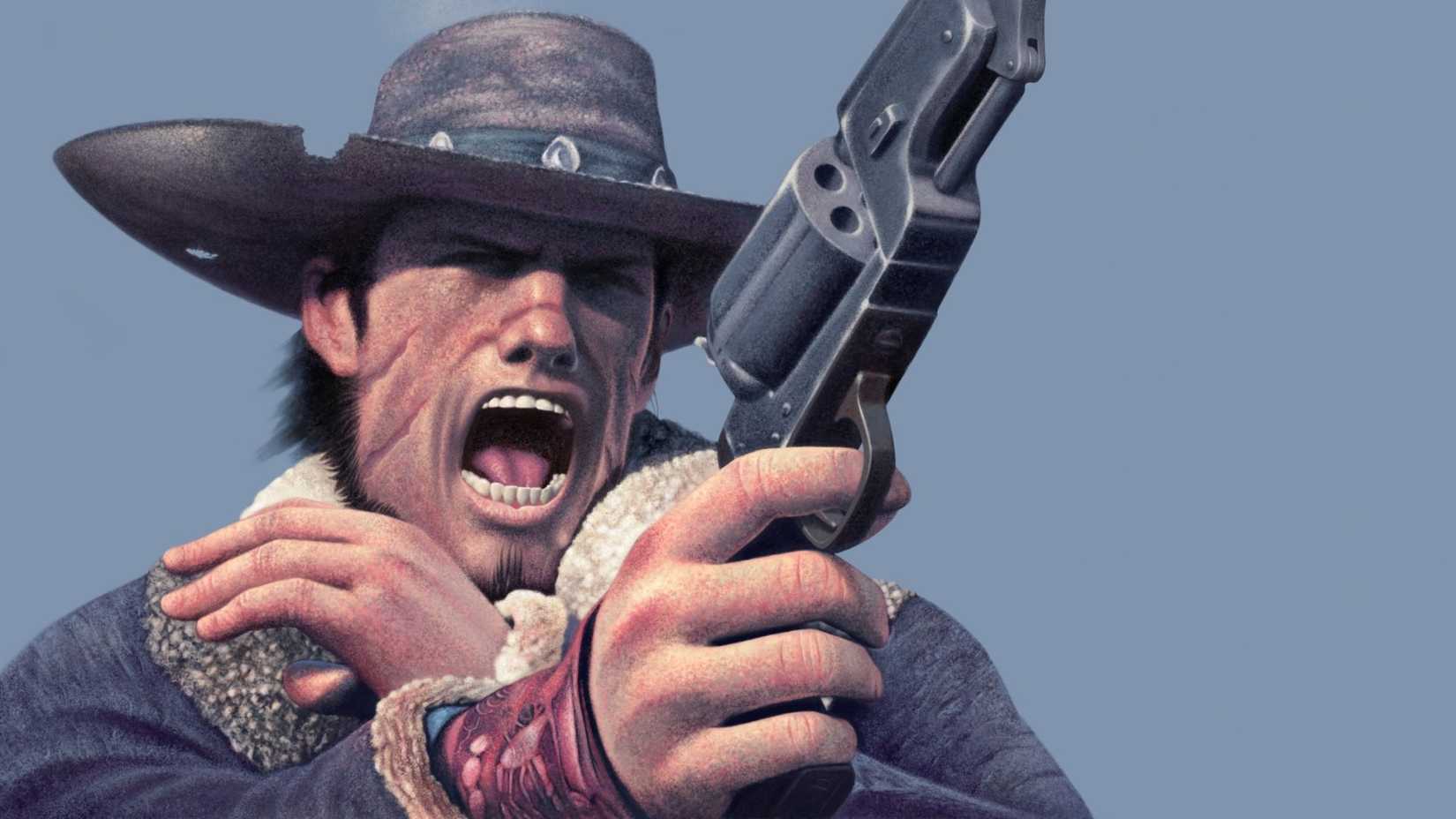
Image: Rockstar San Diego/Rockstar Games
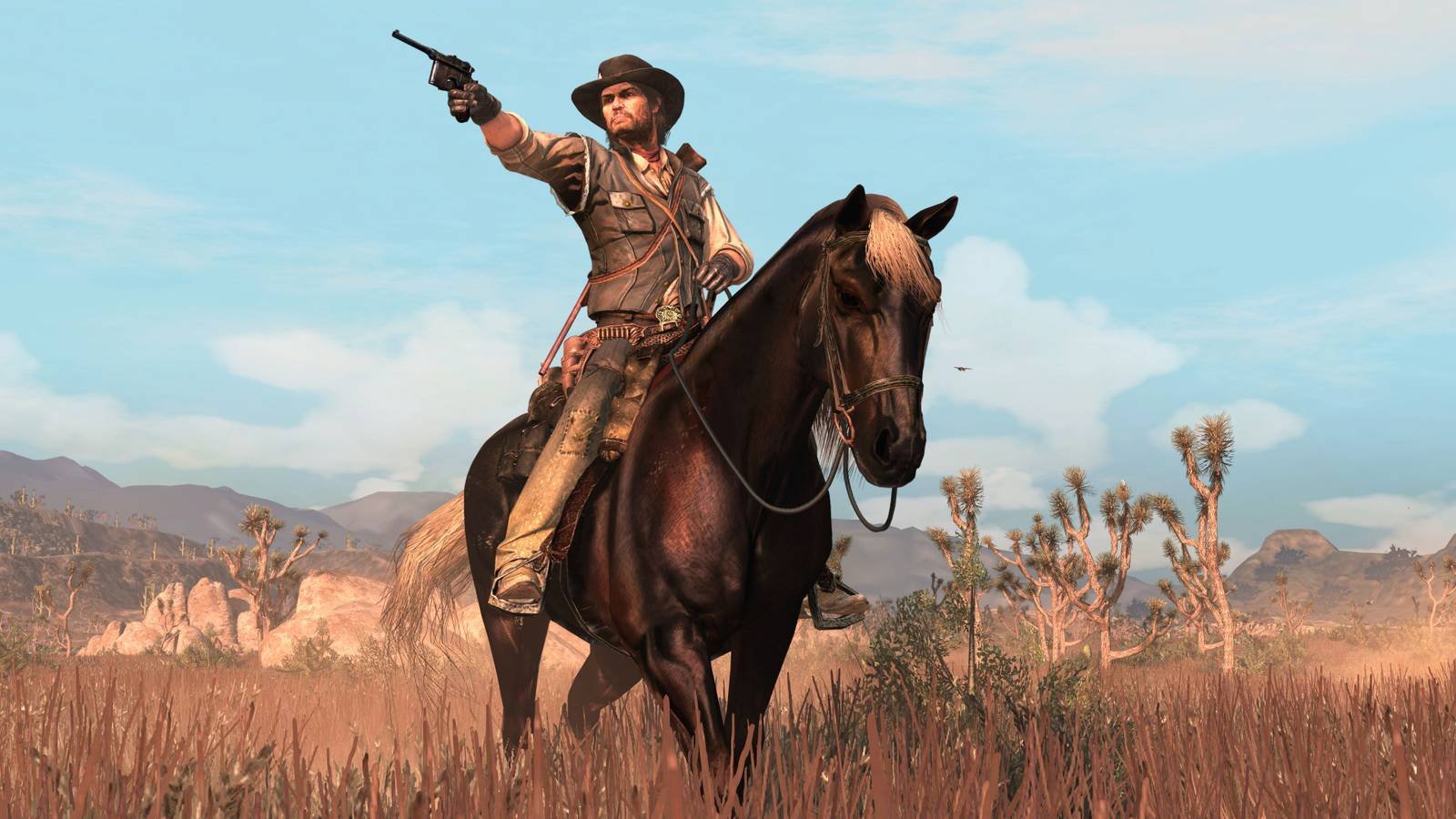
Seen by many as the quintessential cowboy sim, Red Dead Redemption (2010) follows outlaw John Marston. He’s on a reluctant mission for the Pinkertons, who blackmail him into hunting down his former gang. Red Dead Redemption 2 (2018) is a prequel surrounding that same gang. Here, veteran member Arthur Morgan tries to achieve the fulfilling freedom offered by the Old West, but rampant betrayals and encroaching civilization make that dream more distant than ever. The duology dismantles gunslinger romanticism, yet it conveys that theme through massive, open-world adventures. Both choices are major departures from the series’ roots.
The first entry is actually Red Dead Revolver (2004). This story is about bounty hunter Red Harlow, a slick shootist seeking revenge for his parents’ murder. His search brings him to a lawless town and a mystery surrounding buried gold. The ensuing game has nothing to do with its successors. Not only is it a linear, level-based romp, but it embraces the western tropes and archetypes that the sequels condemn. The only thing carried over is the “Dead Eye” mechanic, which slows down gunfights so that players can line up their shots. Aside from that, Red Dead Revolver might as well be its own IP.
4
Doom
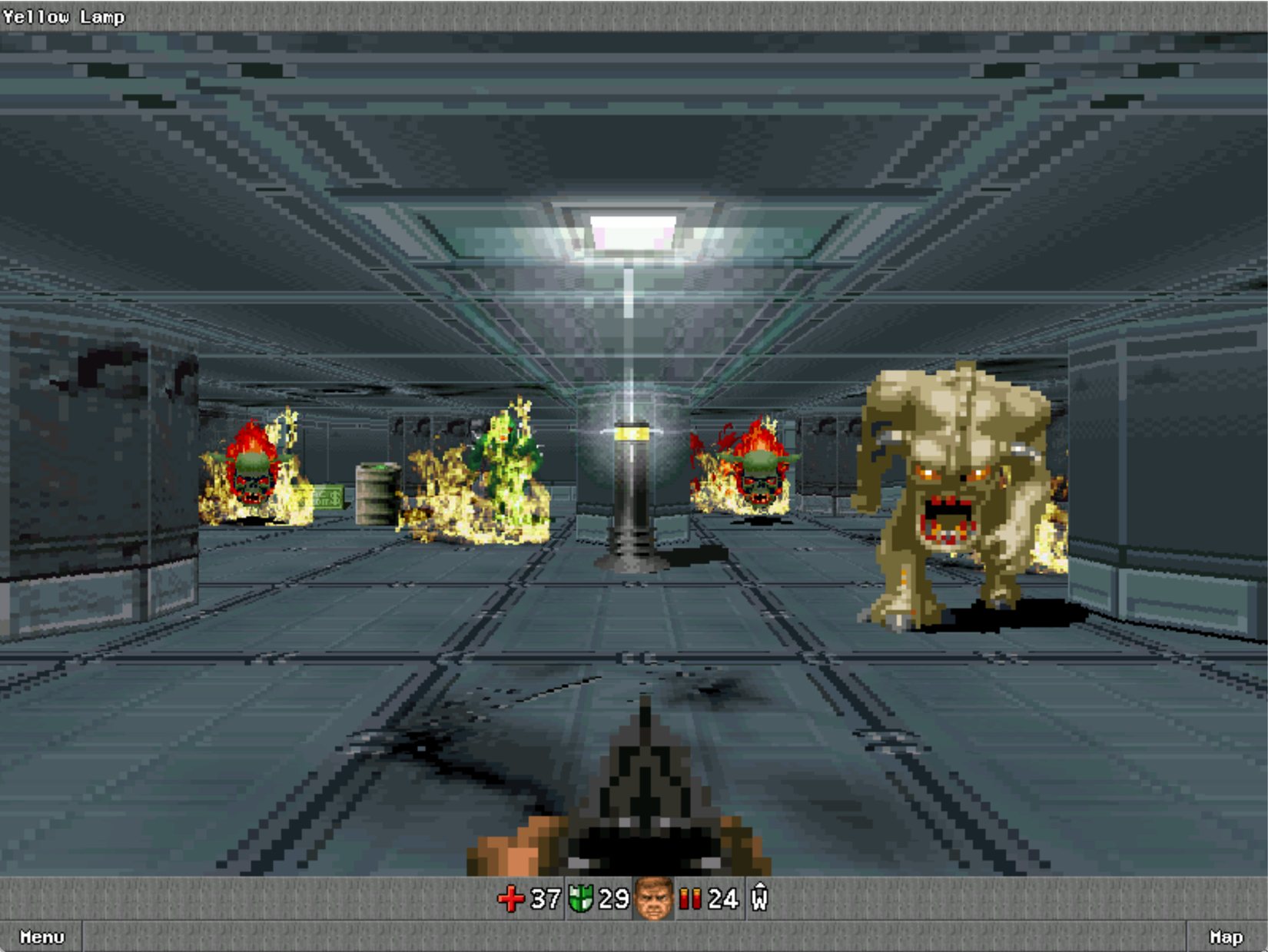
Image: id Software
Shooters don’t get more iconic than Doom (1993). The series sees a legion of demons rise from Hell, turning both Earth and its space colonies into monstrous wastelands. The only hope is an armored warrior, nicknamed “Doomguy” or the “Doom Slayer.” Using his arsenal of guns, bombs, blades, and gadgets, he cuts through the demonic hordes like butter. This simple thrill helped define the first-person shooter genre. Of course, the only logical thing to do with that winning formula is to completely abandon it.
Doom RPG (2005) is basically a mobile remake of Doom 3 (2004), sending the hero into a spooky Martian space station for a slow-burn mystery. That approach is jarring enough, but the gameplay is an even bigger departure. The title opts for turn-based combat. Each encounter sees players move across a board, exchanging attacks with monster units. Doomguy can also recruit hellhounds from Wolfenstein 3D (1992) to fight alongside him. The bizarre combination strays even further from the series than the original Doom 3.
3
God of War
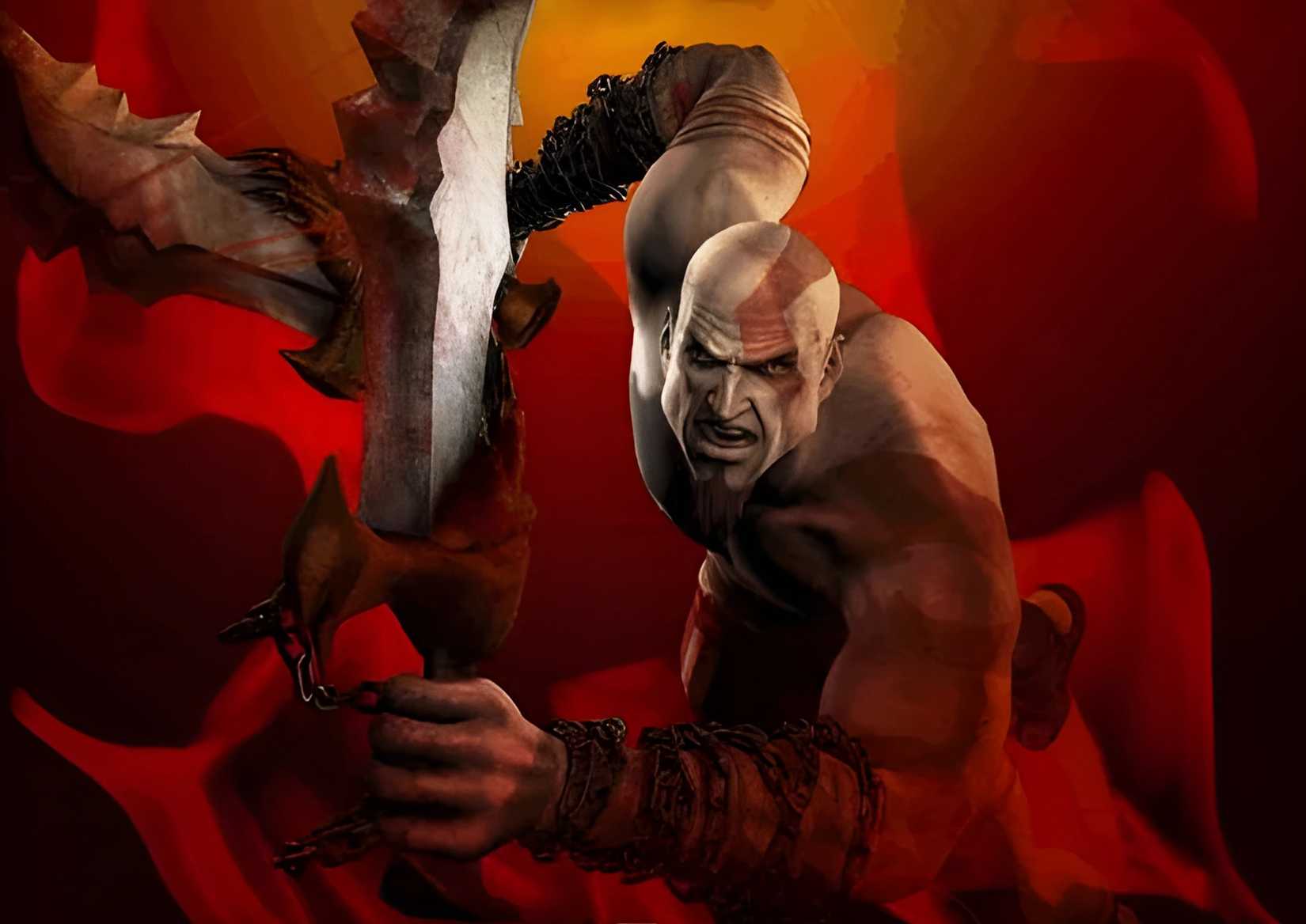
Image: SOE Los Angeles/Sony Pictures Digital
The God of War franchise is no stranger to reinvention, but the original games are mainly hack-and-slash extravaganzas through Greek mythology. Spartan warrior Kratos serves Ares and the other gods in exchange for greater power, but continued betrayals lead him to swear vengeance on all of Olympus. That vendetta makes for 3D action adventures full of epic sights and brutal violence. You’d think only consoles could capture such colossal scope, but one product tries to bring this grandiose odyssey to mobile gamers.
Taking place between the first and second entries, God of War: Betrayal (2007) is the IP’s first foray into the portable market. It sees Kratos framed for the murder of a giant, Argos, igniting a bloody search for the real killer. In that, it maintains the hack-and-slash foundation, but it does so in a 2D side scroller format. The series wouldn’t return to this approach until the prequel, God of War: Sons of Sparta (2026). Even the other portable chapters—God of War: Chains of Olympus (2008) and God of War: Ghost of Sparta (2010)—are 3D epics comparable to consoles. This trajectory leaves Betrayal as just a curious piece of Kratos’s past.
2
Yakuza
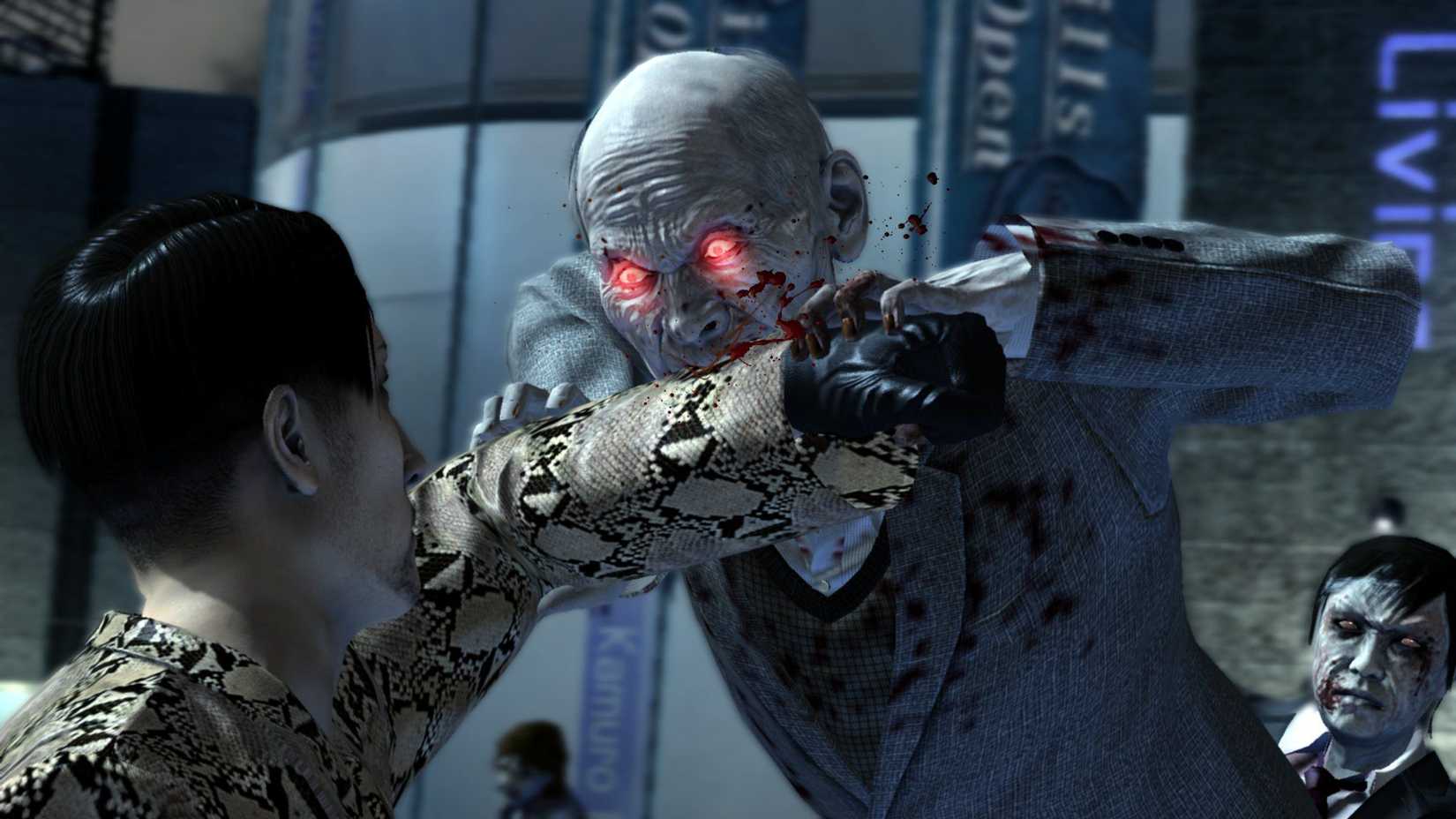
Image: RGG Studio
It’s easy to dismiss Yakuza as a simple gangster brawler. Most of the games focus on former Tojo Clan enforcer Kazuma Kiryu. Striving to protect his friends and family, he fights his way through folks on both sides of the law. This tale gives the series a beat ’em up format on the surface. Beneath that gameplay, however, lies a deep JRPG where players can build stats, learn new moves, take on side quests, and indulge in the countless pastimes offered by Tokyo’s nightlife. Of course, part of that novelty comes from the creators’ willingness to get weird.
One of the best examples is Yakuza: Dead Souls (2011). This non-canon spin-off sees the city hit by a zombie outbreak. Yes, really. As undead monsters turn Tokyo into a war zone, fan favorites like Kiryu, Goro Majima, and Shun Akiyama must defend their home. You’d think they’d use their tried-and-true fist-fighting skills, but the adventure downplays melee combat in favor of third-person shooting. The characters wield an insane arsenal of projectiles against the zombie mob, from simple pistols to firework launchers. The result is utter chaos. This series has tiger-punching boss fights, laser-shooting pirate ships, and underground coliseums, yet Dead Souls is too unhinged for the official canon. Let that sink in.
1
Assassin’s Creed
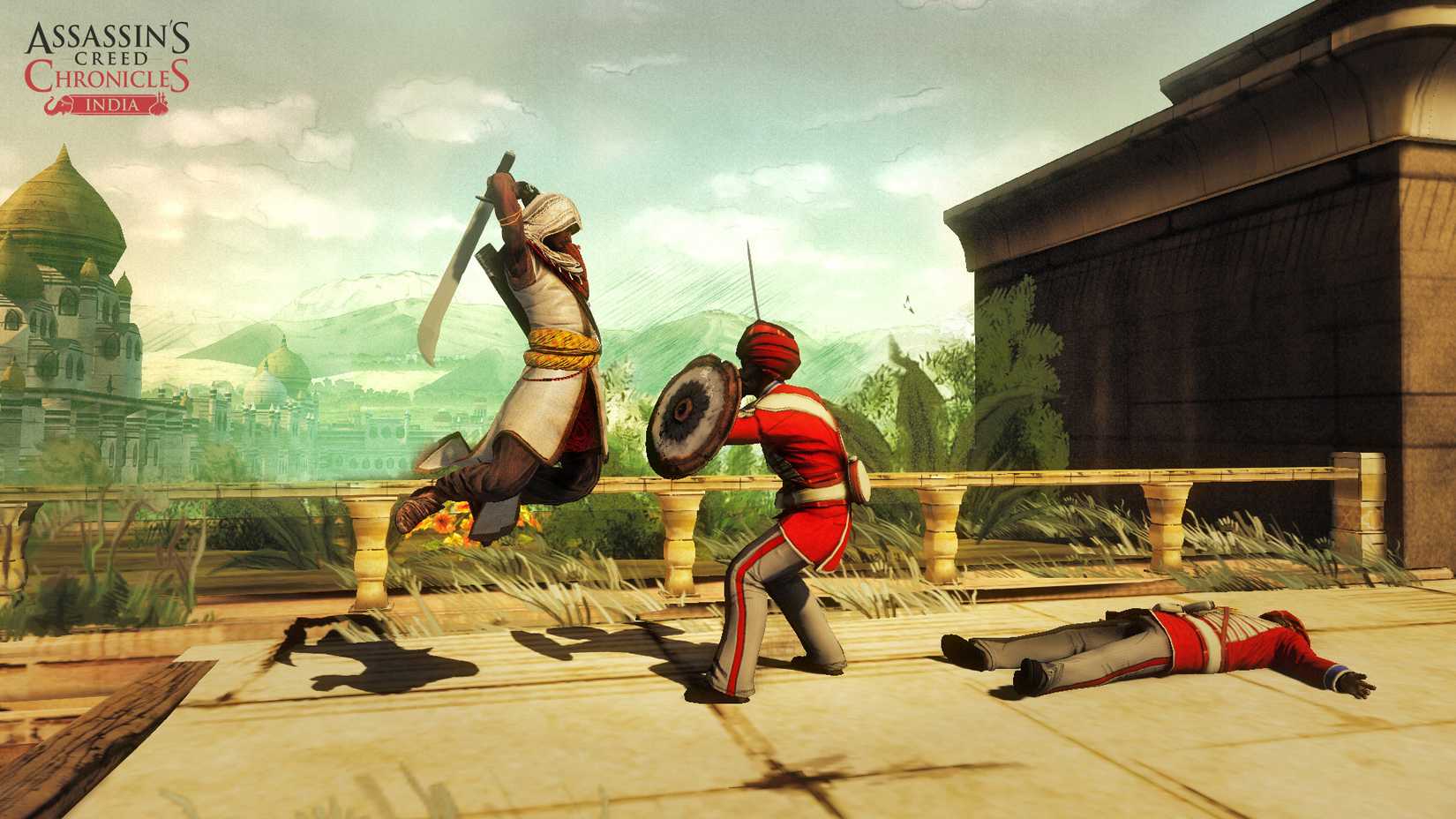
Image: Climax Studios/Ubisoft
Formulaic doesn’t begin to describe Assassin’s Creed. This long-running series sends players to history’s most scenic settings. Each era has hooded killers steering society from the shadows. Their goal is to protect people’s liberty from power-hungry tyrants, with methods ranging from subtle sabotage to assassinating key figures. To pull off these operations, players must explore detailed recreations of Renaissance Venice, Victorian London, and other iconic cities using the series’ signature parkour. That open-world authenticity practically defines the franchise, which is what makes the portable entries so perplexing.
The IP’s early years have handheld companion pieces. Some, like Assassin’s Creed: Bloodlines (2009) and Assassin’s Creed 2: Discovery (2009), detail the mainline protagonists’ exploits after their console adventures. Others, such as the Assassin’s Creed Chronicles trilogy (2015-2016), fashion new characters amid untouched settings. Either way, these portable titles are simplified versions of their larger peers, forgoing open-world scale for small, linear levels. The sole exception is Assassin’s Creed 3: Liberation (2012), but this sandbox is puny compared to its console peers. With the series steadily growing bigger and bigger, these tiny titles inevitably slip through the cracks.
POLL
Question 1 of 3


