
Nostalgia is big in the video game industry. Publishers flood the market with remakes and remasters of old titles. Of course, the reasoning is obvious. These revered games have built-in audiences, and re-releasing them is a great way to capitalize on those fans. Not to mention, positive worth of mouth may attract new players who are curious about the classics and starved of inspiration. The process practically guarantees a profit. Then again, maybe it’s not always a safe bet.
Some remasters are truly baffling. Rather than update popular products, they touch up those titles that never quite achieved mainstream success. Alternatively, they may hail from franchises long thought to be dead. These releases can surprise the most jaded gamers, especially given that publishers often shadow-drop them with little to no marketing. Such surprises might be just the shock that people need. In an industry where every new game chases the same tired trends, a random adventure from yesteryear can be oddly refreshing.
5
MediEvil
SCE Cambridge Studio/Sony Computer Entertainment
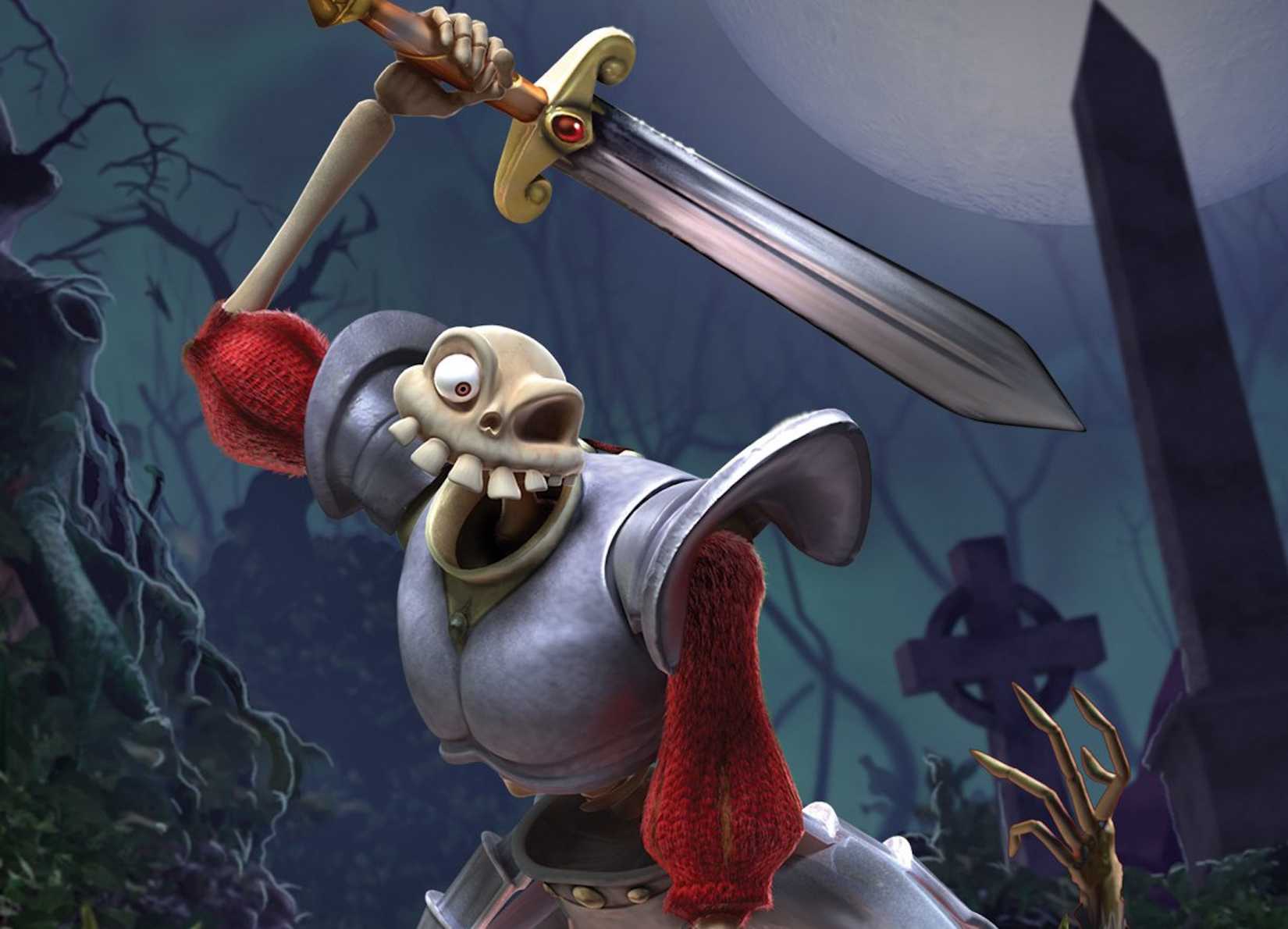
How fitting to include a game about rising from the dead. MediEvil (1998) is a Gothic horror-comedy title set in the Middle Ages. The fictional Kingdom of Gallowmere is under siege from sinister sorcerer Zarok, who raises a skeletal army to do his bidding. This spell also resurrects Sir Daniel Fortesque, who previously perished in anticlimactic fashion. Now, he gets a second chance to prove his heroism. Harnessing the fabled weapons of his forebears, Sir Dan can finally become the savior that everyone thinks he is. Some folks still championed his deeds decades later.
The game saw two remakes: MediEvil: Resurrection (2005) and MediEvil (2019). One would have been shocking enough. Mixing Gothic horror and British comedy was an odd choice. Not only was it less likely to appeal to children, but adults probably found it too silly. Simply put, it lacked the mass market appeal of simpler concepts. The gameplay could have pushed it to the mainstream. Unfortunately, the clunky controls were among the biggest critiques, adding yet another barrier of entry. These aspects prevented the series from ever breaking out of its cult classic status. Sure, the fans were devoted, but were there really enough of them to justify two revivals?
4
Shrek 2
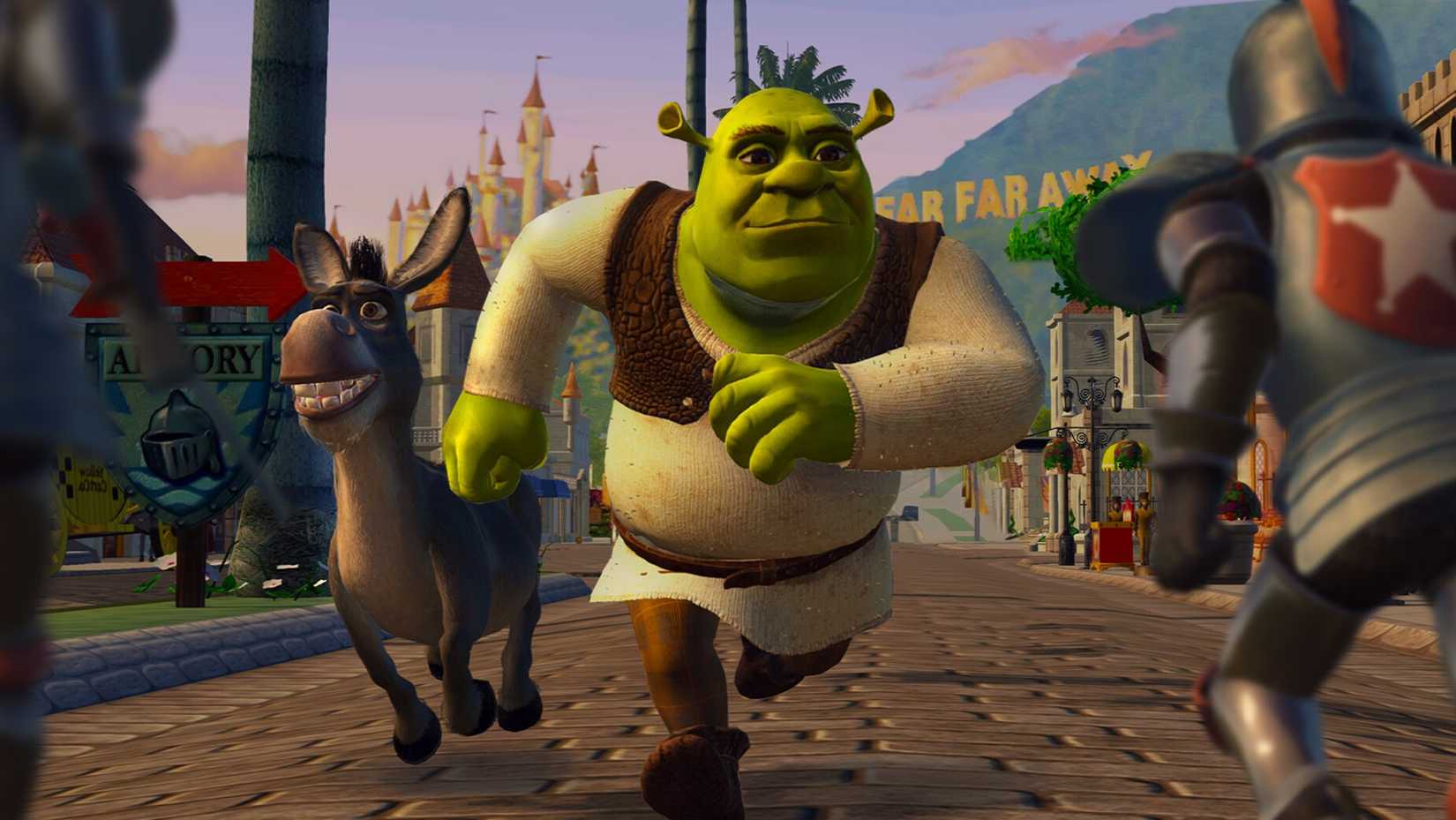
Image: Aspyr Media
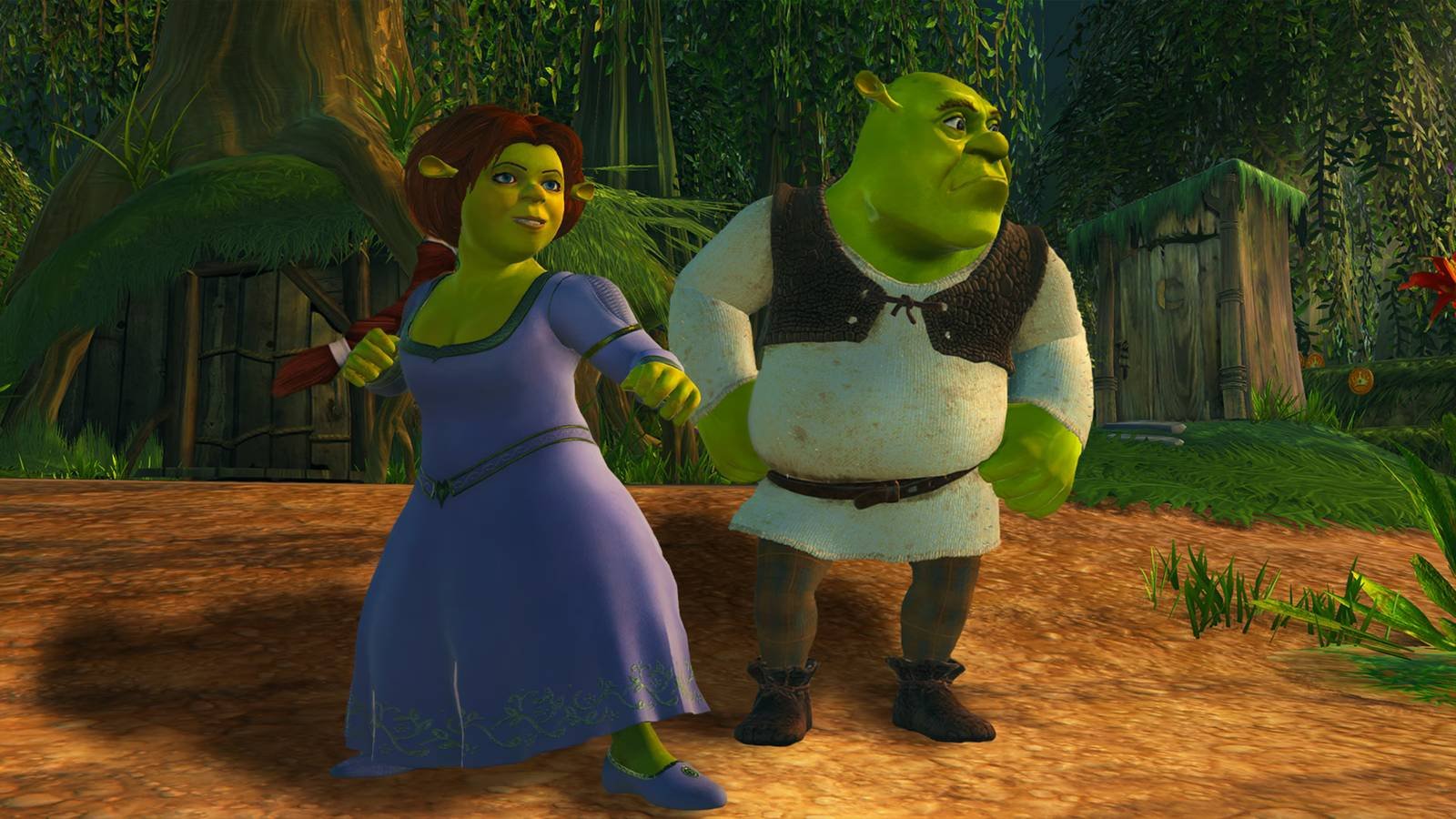
Movie-licensed games used to follow every major blockbuster. Shrek 2 (2004) was no exception. Loosely adapting the animated action-comedy, the journey follows the ornery ogre as he goes to meet his new wife’s royal parents. This straightforward premise soon spirals into countless fairy tale escapades, some from the film and others exclusive to the game. Such fables are timeless, so why can’t the same be said here?
Shrek 2 Remastered (2026) made the classic available once again. To be fair, there were plenty of worse picks for re-releasing. The team-based beat ’em up structure elevated the game beyond most low-effort movie products, especially given the extra levels like the Mt. Grimm mines and Jack and Jill’s farm. It’s the timing that’s the point of confusion.
The franchise hadn’t seen a movie since Shrek Forever After (2010). No, the Puss in Boots flicks don’t count. You’d assume that the publisher wanted to promote the belated Shrek 5 (2027), but the remaster dropped several months before the sequel’s premiere. Worse, it hit the market within days of Grand Theft Auto 6 (2026). You might as well send it out to die.
3
The Lord of the Rings: War in the North
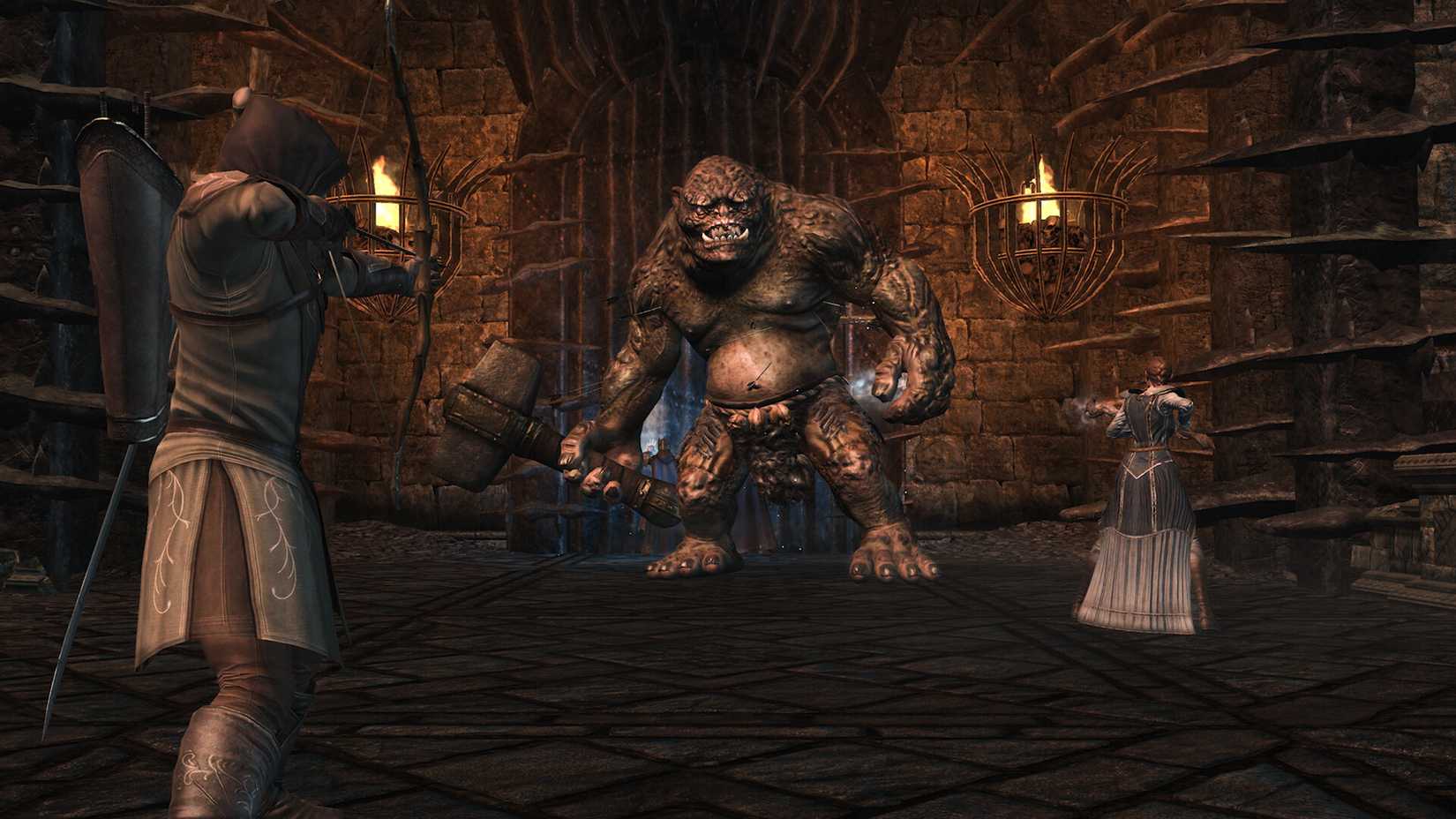
Image: Aspyr
As the prototypical fantasy quest and a blockbuster juggernaut, The Lord of the Rings naturally spawned several tie-ins. One such title was The Lord of the Rings: War in the North (2011). Taking place alongside the big-screen trilogy, the hack-and-slash product depicts the battle to save Middle-earth’s northern regions. Fans witness this war through the eyes of Eradan the Man, Andriel the Elf, and Farin the Dwarf. Together, this unlikely fellowship works to thwart Sauron’s lieutenant, a Black Numenorean named Agandaur, who seeks to reinforce his master’s conquest. The narrative is basically a discount version of the familiar story, which is what makes the re-release so confusing.
The Lord of the Rings: War in the North – Legacy Edition (2026) cleaned up the journey for modern hardware, but was this tale really worth telling twice? The characters certainly didn’t leave an impression, coming off as bland, poor man’s versions of the film’s protagonists. Along the same lines, the gameplay was only okay. It felt like the type of action romp that you blitz through once and never touch again. These shortcomings meant that many players flocked to more mainstream releases at the time, like The Elder Scrolls 5: Skyrim (2011). Perhaps the publishers saw this remaster as a second chance.
However, plenty of other Lord of the Rings tie-ins would have made a bigger splash. Fans had the direct movie adaptations, the Battle for Middle-earth series, and the Shadow of Mordor duology. Instead, they got a mid-tier substitute.
2
Godzilla: Destroy All Monsters Melee
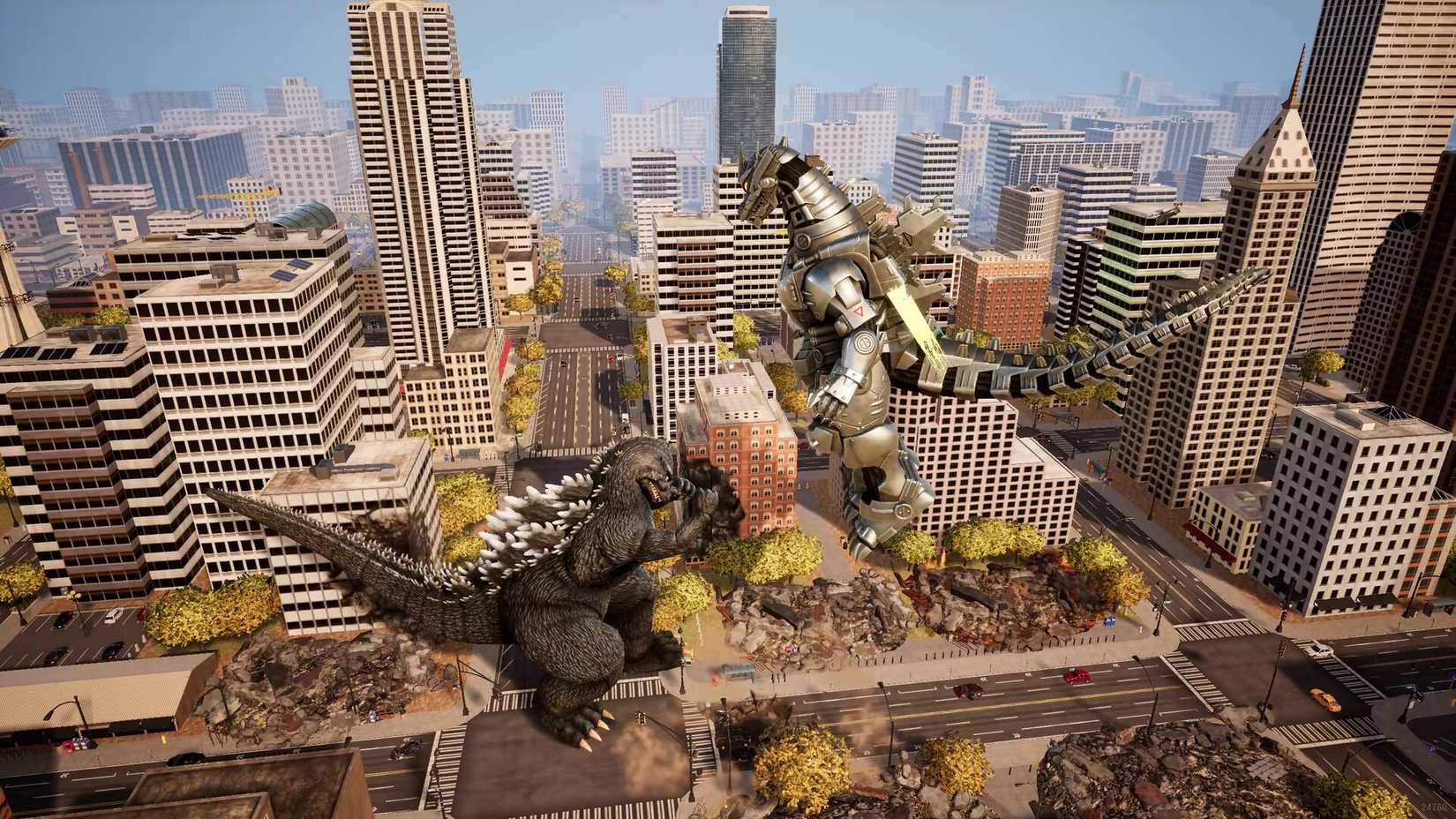
Image: Pipeworks Studios/Atari
On top of being an iconic monster, Godzilla helped inspire the kaiju genre: blockbuster flicks about colossal creatures duking it out in the world’s cities. The first tie-in to truly capture that thrill was Godzilla: Destroy All Monsters Melee (2002). This arena fighter lets fans control their favorite kaiju, from King Ghidorah to Mechagodzilla. They then smack the stuffing out of each other across destructible 3D cityscapes. The formula isn’t the most complex fighting game, but it doesn’t have to be. There’s a simple thrill in pure, cheesy chaos. In fact, today’s industry could use some of that charming escapism.
Godzilla: Destroy All Monsters Melee Remastered (2026) arrived to fill that void. The atomic star had seen a resurgence in the intervening years. Not only was he clashing with King Kong in the American-made Monsterverse, but his native Japan had produced several new entries of its own. In fact, Godzilla Minus Zero (2026) released within days of this remaster. Cross-promotion was only natural. That said, why didn’t the developers pick one of the game’s sequels? Godzilla: Save the Earth (2004) and Godzilla Unleashed (2007) had additional features and a larger roster of monsters. Re-releasing the first entry felt like a step backward.
1
Soul Reaver 1 & 2
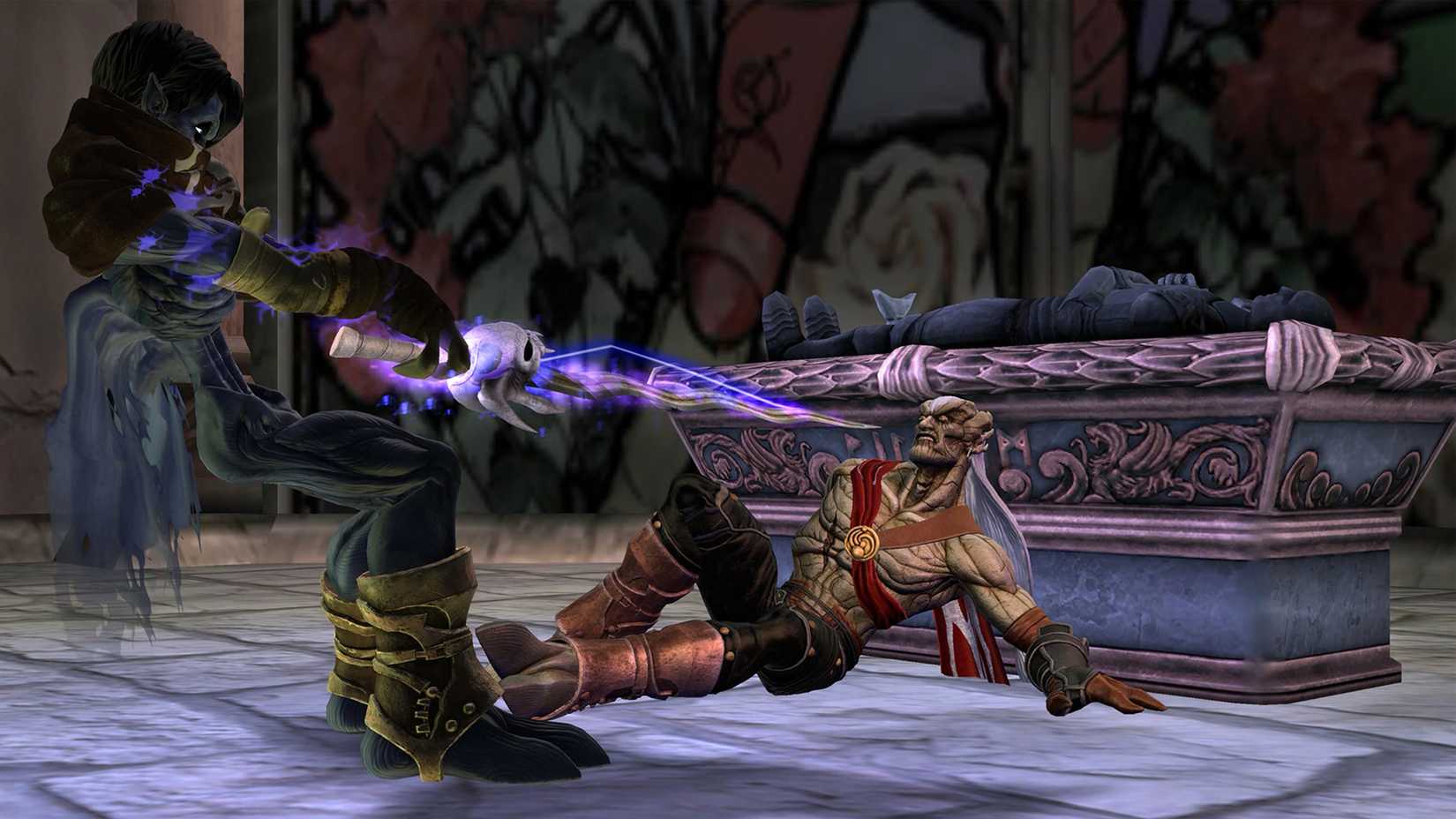
Image: Aspyr
Legacy of Kain is another horrific franchise. While most entries focus on the titular vampire, his greatest servant headlines two Metroidvania spin-offs. Legacy of Kain: Soul Reaver (1999) follows Raziel, a vampire who becomes a wraith after his master betrays him. He then embarks on a revenge quest across the ruined world of Nosgoth, eliminating Kain’s lieutenants along the way. Soul Reaver 2 (2001) recontextualizes that journey as part of Kain’s grand plan to defy fate. That theme could also apply to the series’ resurgence.
The undead antiheroes returned in Legacy of Kain: Soul Reaver 1 & 2 Remastered (2024). As the name implied, this collection repackaged Raziel’s stories. The market had mostly abandoned 3D Metroidvanias, but the strong writing and quality-of-life upgrades won people over. If anything, the effort was greater than people expected. The series had, after all, lain dormant since Legacy of Kain: Defiance (2003), yet this collection spawned both a remaster of that title and a full-fledged sequel in Legacy of Kain: Ascendance (2026). Much like Raziel himself, the blood-sucking franchise had arisen from purgatory.


