
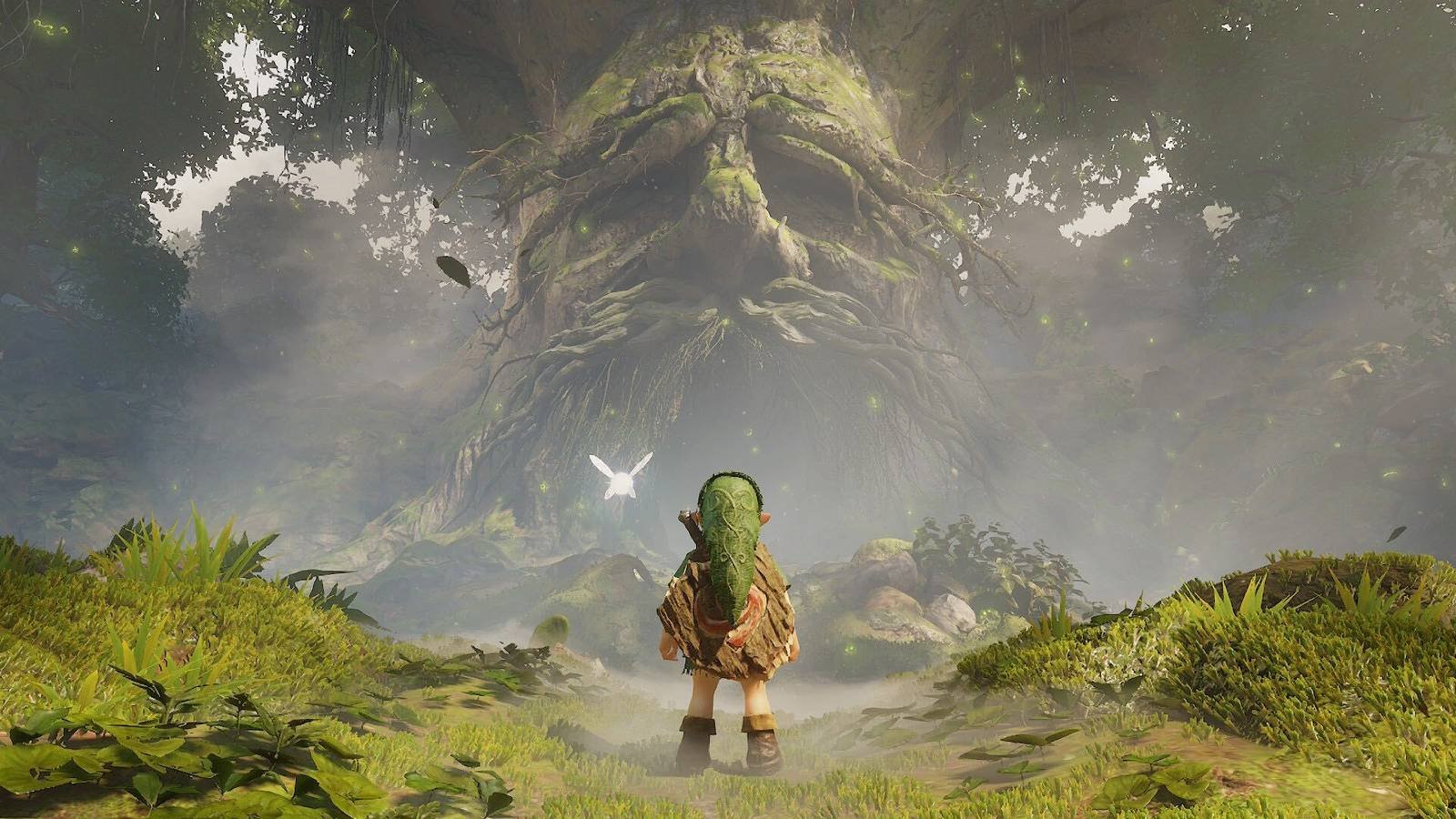
Every time a new video game console comes out, a long cycle of assessment begins. Companies like Sony tend to put their best foot forward on day one with visually spectacular games that sell their new hardware’s power, but the longer and more meaningful test comes in the years following launch. What is that hardware actually capable of doing once developers really get rolling with it? It can take a while to see that big picture. But it’s already clear as day when it comes to the Nintendo Switch 2, and that’s thanks to The Legend of Zelda: Ocarina of Time.
In a lot of ways, the glitzy remake feels like a long-delayed Switch 2 launch game. It’s a system-selling blockbuster, and it sports the kind of beautiful visuals that will instantly make your old Switch feel like a Nintendo 64. It’s perhaps the first time since I got my Switch 2 at launch that the hardware boost has been undeniable, capping off a year and a half filled with games that leveraged the console’s power in different ways.
Before Ocarina of Time, plenty of first-party Nintendo games took advantage of the Switch 2’s horsepower — even if they didn’t look like a generational leap forward in terms of visuals. Donkey Kong Bananza, for instance, leveraged the console’s power for environment-destroying play filled with golden particles. Kirby Air Riders doubled down on speed and spectacle without needing to make Kirby’s world look photorealistic. Splatoon Raiders is the most colorfully chaotic game in the shooter series yet. They’re all technical feats, but you could argue that the best-looking first-party Switch 2 game before Zelda was Metroid Prime 4: Beyond, a game that was also released on the original Switch.
In that context, Ocarina of Time is a crucial tech showcase for Nintendo’s young system. It’s the Switch 2’s most visually impressive game, filled with detailed textures, painterly lighting design, and impressively animated cinematics that make a great sales pitch for the upcoming Zelda movie. All of that is happening at a stable 60 frames per second, a benchmark that plenty of modern games have struggled to hit this hardware generation.
-
 Image: Nintendo via Polygon
-
 Image: Nintendo via Polygon
-
 Image: Nintendo via Polygon
-
 Image: Nintendo via Polygon
-
 Image: Nintendo via Polygon



-
 Image: Nintendo via Polygon
-
 Image: Nintendo via Polygon
-
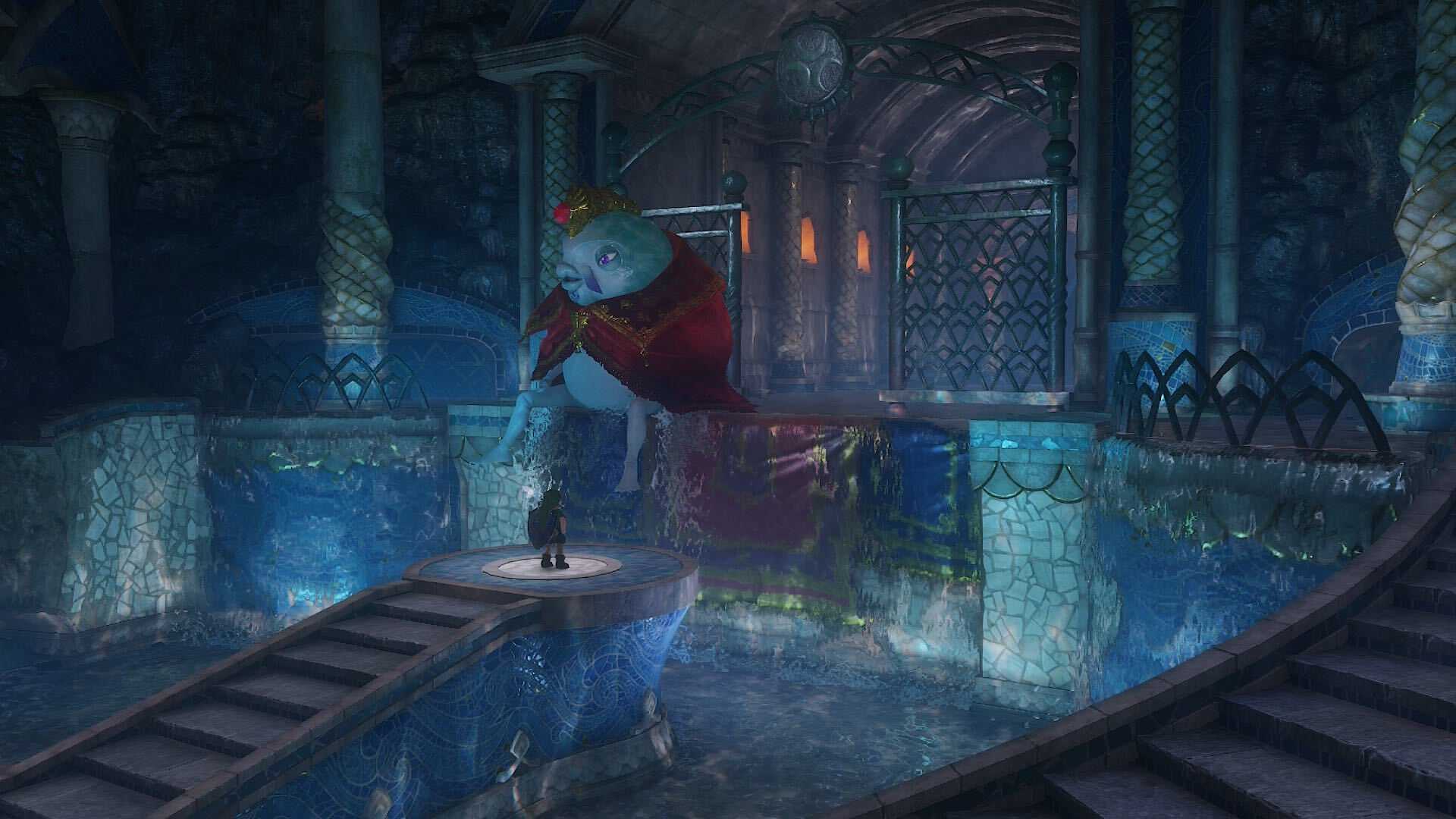 Image: Nintendo via Polygon
-
 Image: Nintendo via Polygon
-
 Image: Nintendo via Polygon
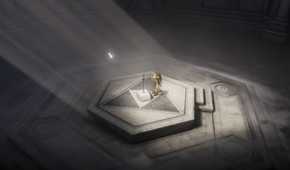

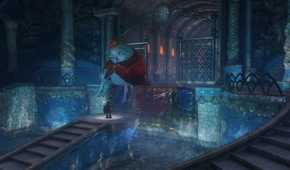
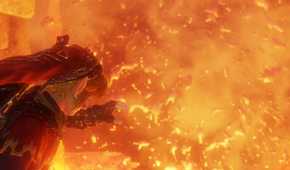
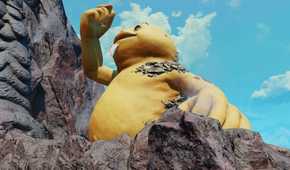
Some details will especially stick out if you’ve been playing on a Switch since 2017. For instance, plenty of original Switch games feature sprawling natural worlds, from Breath of the Wild to Xenoblade Chronicles 3. As impressive as they are in terms of scale, they were often built from flat textures that left the ground feeling oddly smooth. Ocarina of Time is a major step up in that department. You’ll constantly see swaying grass and flowers anywhere you go, and even leafy vines wrapping around environments. While that’s partially a matter of art direction, it’s also a technical feat to walk through Kakariko Village’s graveyard and see plants swaying as far as the eye can see while rain pours down and fog rolls by. That takes more power than you’d expect to pull off at a smooth framerate.
The fidelity and performance boosts of Switch 2 are apparent throughout Ocarina of Time, but the remake also showcases how extra power allows Nintendo to fully realize its knack for inventive art direction. In an interview with Polygon, producer Eiji Aonuma noted that the game’s visual style came from a young art director who wanted to give the remake a nostalgic look inspired by puppet shows. Nintendo is no stranger to nailing arts and crafts aesthetics, even going back as far as Kirby’s Epic Yarn on Wii, but the Ocarina of Time remake really delivers. While creepy at first glance, the character models are remarkably detailed in a way that makes every character feel like a hand-sculpted doll.
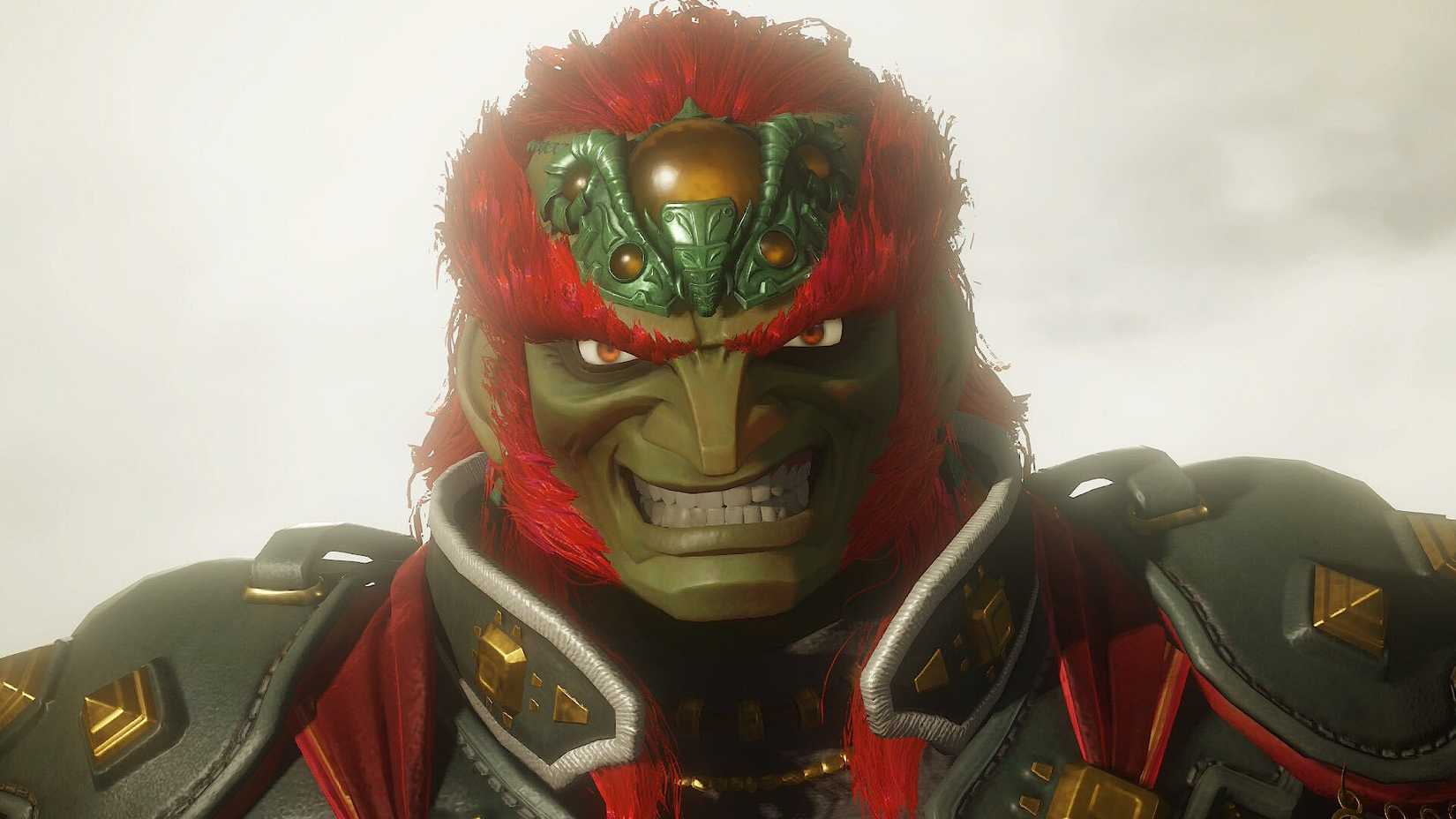
Image: Nintendo via Polygon
Before the Switch 2 was revealed, I questioned if a more powerful Switch would make much of a difference. Sure, we’d get sharper lines and smoother performance, but Nintendo’s franchises are not built to be graphical powerhouses. How much better can Kirby really look? Ocarina of Time is the first Switch 2 game that has challenged my assumptions about Nintendo and its careful relationship to tech. It’s clear that the Switch 2 is giving the company’s developers more space to push style in a wide variety of ways. It’s most obvious in a game like Star Fox, but you can see it just as clearly in the illustrated joys of Yoshi and the Mysterious Book.
Ocarina of Time affirms that Nintendo’s approach to art direction is more wide open than ever before. If we’re already seeing that less than two years into the Switch 2’s life, I can’t imagine what we might see on the platform five years from now.


